Saturday, 19 October 2019

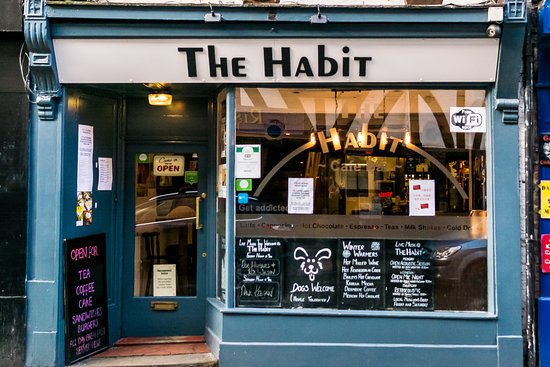
Wednesday night's set lists at The Habit, York

Image result for the habit in york

Ron Elderly: -
Autumn Leaves
Brother Can You Spare A Dime
Promises
Just My Imagination


Da Elderly: -
Never Let Her Slip Away
Albuquerque
Harvest Moon


The Elderly Brothers: -
All I Have To Do Is Dream
The Price Of Love
No Reply


It was another packed night of music and nonsense at The Habit. There were plenty of players including barmaid Hollie and regular Debbie - as it was her birthday we all sang Happy Birthday. Sometimes regular Dave surprised us with CSN's Wasted On The Way and taxi driver Chris had me back him on Birds and Bring It On Home To Me. After the show proper the punters were up for some unplugged stuff and quite a few joined in with us until close of play. Great fun!

Friday, 18 October 2019

The Pre-Raphaelite Sisterhood at The National Portrait Gallery

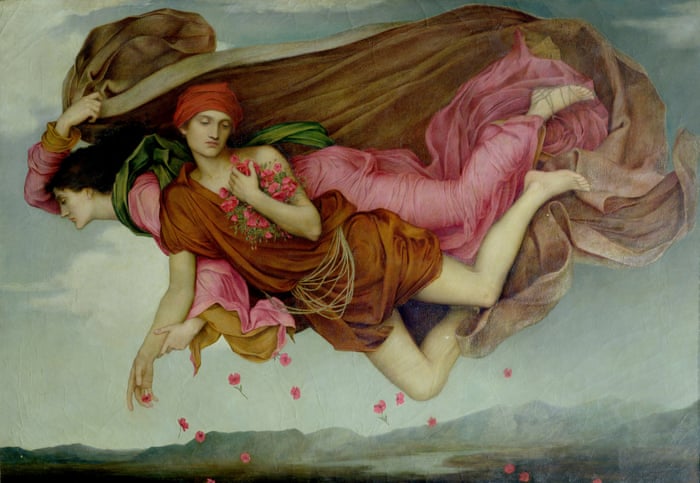
Night and Sleep by Evelyn De Morgan

Pre-Raphaelite Sisters review – the heroic women behind the frilly-shirted bro-fest
National Portrait Gallery, London
Women supported the Pre-Raphaelite Brotherhood, as lovers, helpers and models – but they were rewarded with paintings that depicted them as objects of fantasy

Hettie Judah
The Guardian.co.uk
Wed 16 Oct 2019

The latest effort to write women back into art history, Pre-Raphaelite Sisters offers a female take on that frilly-shirted testosterone-fest, the Pre-Raphaelite Brotherhood.

Like the Barbican’s Modern Couples exhibition last year, the show reminds us that a work of art seldom springs, magnificent, from a single imagination, but is to an extent the product of a social group. Ideas have been discussed, books exchanged, manifestos written, costumes made and poses held: someone, too, has checked supplies, dressed the kids, noted down orders, paid the bills, and made sure that the artist has had breakfast.

Formed by young painters and their circle in 1848, the Pre-Raphaelite Brotherhood was inspired by Italian art of the 15th century, and favoured dramatic literary themes. There are lesser-known female artists on the fringes of the Brotherhood and the subsequent aesthetic movement – notably Marie Spartali Stillman, Maria Zambaco and Evelyn De Morgan – but their work is only a fraction of Pre-Raphaelite Sisters. Instead the exhibition revisits the role women played in the wider story, as models, lovers, wives and helpers.
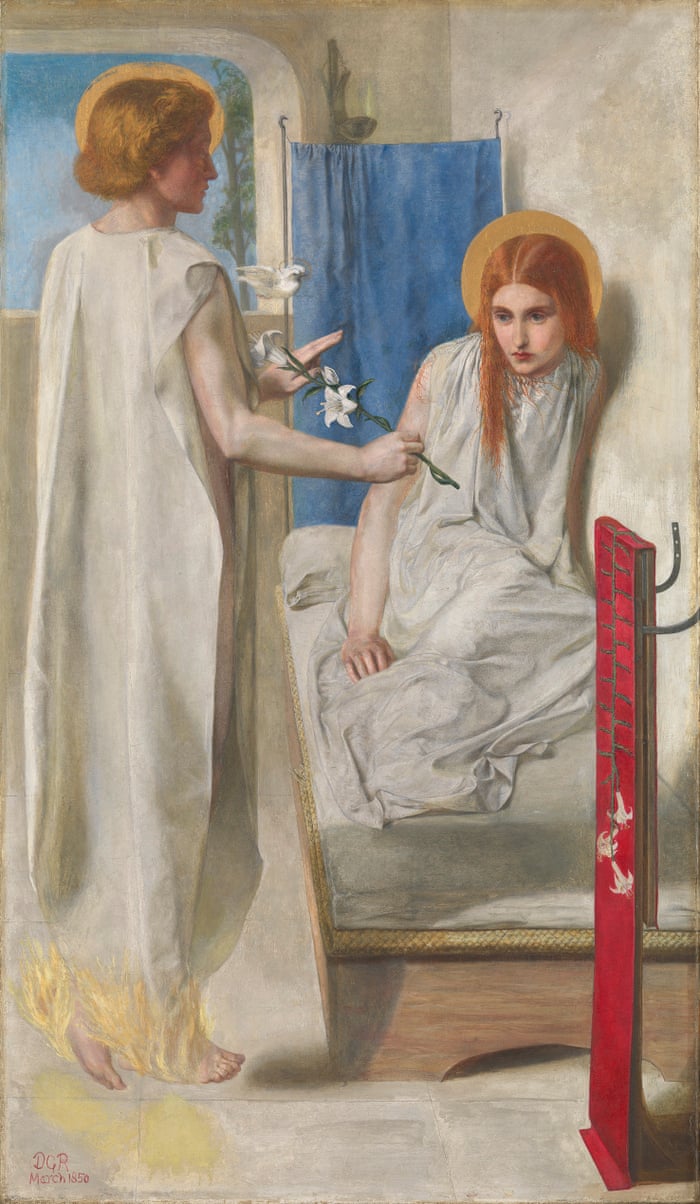
Ecce Ancilla Domini by Dante Gabriel Rossetti - with his sister, the acclaimed poet Christina Rossetti

These “sisters” are in some cases literally so: poet Christina Rossetti was sibling to artist Dante Gabriel. He illustrated her intoxicating poem Goblin Market and she sat for his pictures: in youth, as the virginal Mary visited by an underdressed and distinctly male archangel; later, magnificent and resolute, for a chalk portrait that escapes the male Rossetti’s tendency towards gushing sensuality.

In the main, women here enter the story as models or love interests, frequently both. Few of the paintings here are portraits in the literal sense. Instead, they show these models and muses assigned feminine roles that evoke the Victorian fantasy of the fallen woman in need of masculine chivalry: prostitutes and mistresses; tragic heroines; much less frequently, femmes fatales.

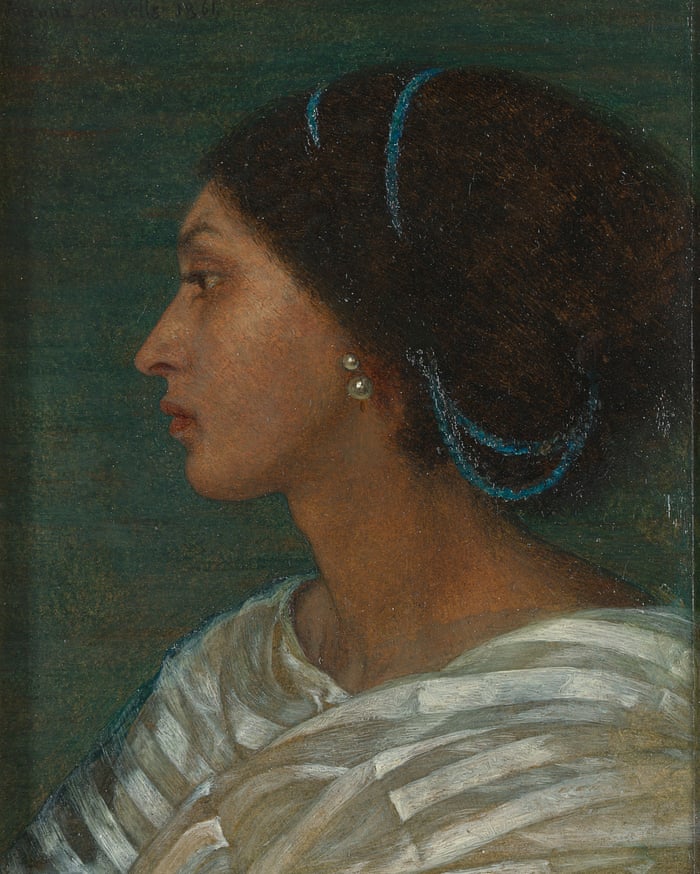
Fanny Eaton by Joanna Wells

The curators make a case for these women to be see as precursors to the great fashion models of today, playing an essential role in the creation of the final image. But as Christina Rossetti’s poem In an Artist’s Studio suggests, the artist paints the fantasy, not the woman: “Not as she is, but as she fills his dream.”

Pale-skinned, auburn-haired Elizabeth Siddal was the model for John Everett Millais’s Ophelia, and countless works by her lover Rossetti. William Holman Hunt was fascinated by Annie Miller, who appears aged 18 as a kept woman in The Awakening Conscience: a cat playing with a bird beneath the table suggests her perilous fate. Naturally, Rossetti, too found her a great inspiration. Ditto Fanny Cornforth, and his friend William Morris’s wife Jane. As a married woman, Jamaican-born Fanny Eaton escaped a crossover role as a lover, though enjoyed some success as a model.
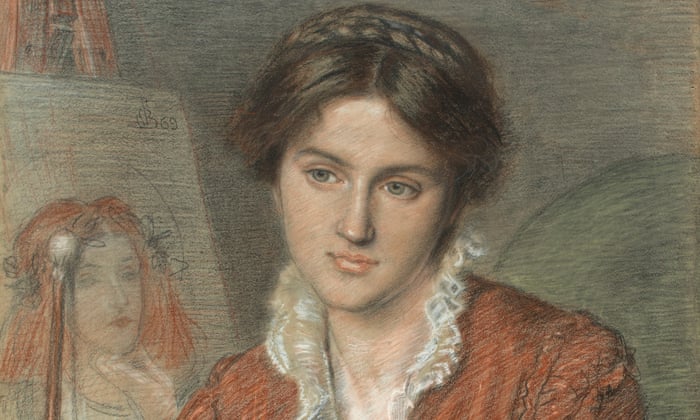
Marie Spartali Stillman by Ford Madox Brown

What of these women as artists? Spartali Stillman, Zambaco and De Morgan had the wherewithal to receive proper training. Most models did not – modelling was not a respectable profession, ergo almost all came from families that could not support private art education. Rossetti certainly encouraged Siddal’s aspirations but, for a woman, art school was not an option (Slade, the first British art college to admit women, opened nine years after her death). Even the curators admit that the figures in her dramatic compositions are “boneless”.

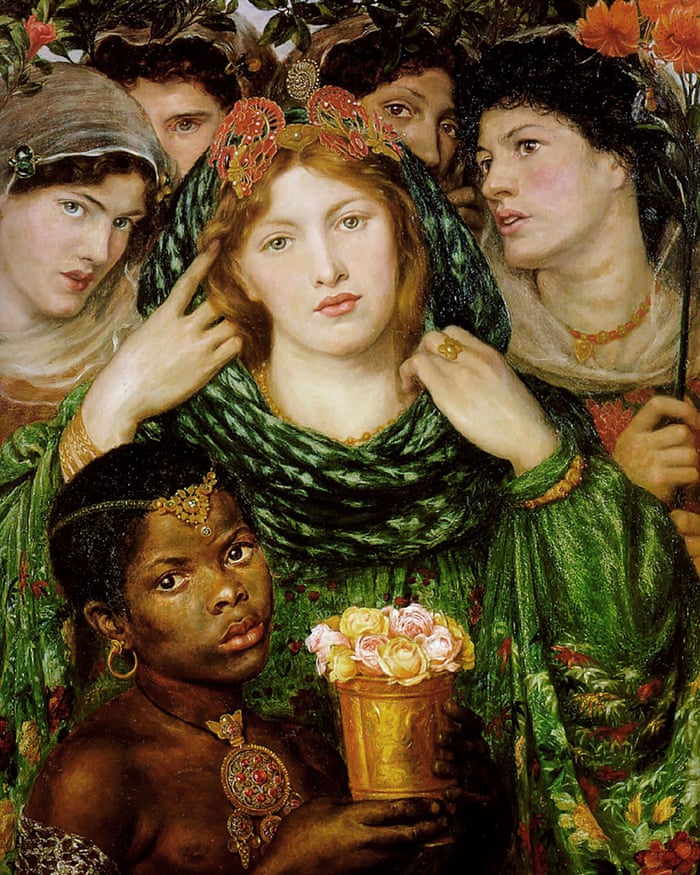
Rossetti’s The Beloved by Dante Gabriel Rossetti - Fanny Eaton is at the back, right

Curator Jan Marsh has written brilliant books on the forgotten women around the pre-Raphaelites. That this exhibition seems to make a less forceful case for them as a creative force is perhaps a question of venue: the National Portrait Gallery is not the place for Jane Morris’s wonderful embroidery, for example. This is not the place to cherish craft. The focus remains the human figure, for the most part still female, and for the most part still painted by men.

Pre-Raphaelite Sisters is at the National Portrait Gallery, London, from 17 October to 26 January


Saturday, 12 October 2019

Wednesday night's set lists at The Habit, York

Image result for the habit, york
Ron Elderly: -
Just My Imagination
Lola


Da Elderly: -
Things We Said Today
I Don't Want To Talk About It


The Elderly Brothers: -
Bring It On Home To Me
Mailman, Bring Me No More Blues
When Will I Be Loved
Love Hurts
I Saw Her Standing There


What a change from last week! The place was packed from the start with players and punters. Late coming players had to be turned away. There were one or two debuts from young lads and lasses, with fine performances all round, in particular a lad there with his dad......he had only been playing guitar for 12 months but you'd never have guessed and his deep baritone belied his years. The Elderlys closed the show with the assistance of local harmonica wizard Tim on the first two numbers.

Wednesday, 9 October 2019

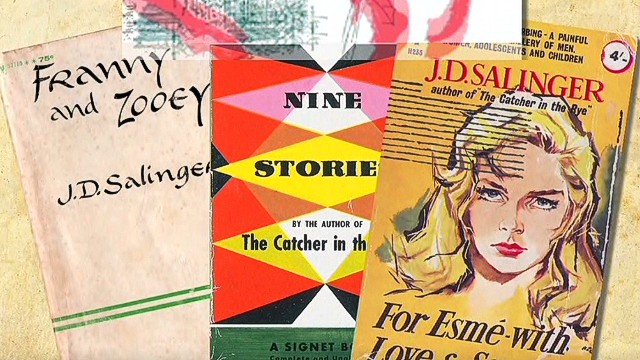
JD Salinger exhibition of photographs, letters and notebooks

Related image
JD Salinger exhibition to unveil photographs, letters and notebooks
New York Public Library exhibit will show a mix of personal and literary effects, and will run for three months

Tom McCarthy
The Guardian
Mon 7 Oct 2019

When the writer JD Salinger died in 2010, his literary agent issued a statement saying that “in keeping with his lifelong, uncompromising desire to protect and defend his privacy, there will be no service”.

That was then. Next week, the curtain of privacy behind which Salinger carefully guarded his personal life will be lowered further, with a major exhibition at the New York Public Library.

The exhibit, which will be free to the public and is scheduled to run for three months, will present a mix of personal and literary effects, ranging from the original typescript of The Catcher in the Rye, revised by the author, to a bookcase from Salinger’s bedroom filled with books from his personal library.

The exhibit was organized by Salinger’s son Matt Salinger, widow Colleen Salinger and the library’s special collections department.
Image result for JD Salinger graPHIc
“He was a famously private man who shared his work with millions but his life and non-published thoughts with less than a handful of people, including me,” Matt Salinger said in a statement.

“But I’ve learned that while he may have only fathered two children there are a great, great many readers out there who have their own rather profound relationships with him, through his work, and who have long wanted an opportunity to get to know him better.”

The exhibit will also include:
  • Photographs from Salinger’s childhood, youth and later life, including from his second world war service in the US army and time as entertainment director on the cruise ship MS Kungsholm in 1941
  • Correspondence between Salinger’s friends, fellow soldiers and authors and editors including William Shawn, William Maxwell and Ernest Hemingway
  • Items from the writer’s childhood, including a bowl he made at summer camp when he was about 10 and kept his whole life
  • Notebooks, passports, honorable discharge papers from the army in which he identified his civilian occupation as “playwright, author”, and personal artifacts such as pipes, eyeglasses and a wrist watch
  • One of the author’s two typewriters, his film projector and numerous other personal effects
Salinger ceased publishing in the 1960s and refused with rare exceptions press requests and the enthusiastic advances of fans, some of whom went looking for him in his rural New Hampshire home.
Related image
The Catcher in the Rye, published as a novel in 1951, has sold tens of millions of copies. The dyspeptic teenage protagonist of the novel, Holden Caulfield, spends a couple of days wandering New York City but does not make it to the library.

The exhibition will also include a previously undisclosed self-description from a 1982 legal document.

“I am a professional short-story writer and novelist,” the description reads. “I write fiction and only fiction. For more than 30 years, I have lived and done my work in rural New Hampshire. I was married here and my two children were raised here … I have been writing fiction rather passionately, singlemindedly, perhaps insatiably, since I was 15 or so.

“… I positively rejoice to imagine that, sooner or later, the finished product safely goes to the ideal private reader, alive or dead or yet unborn, male or female or possibly neither.”


Sunday, 6 October 2019

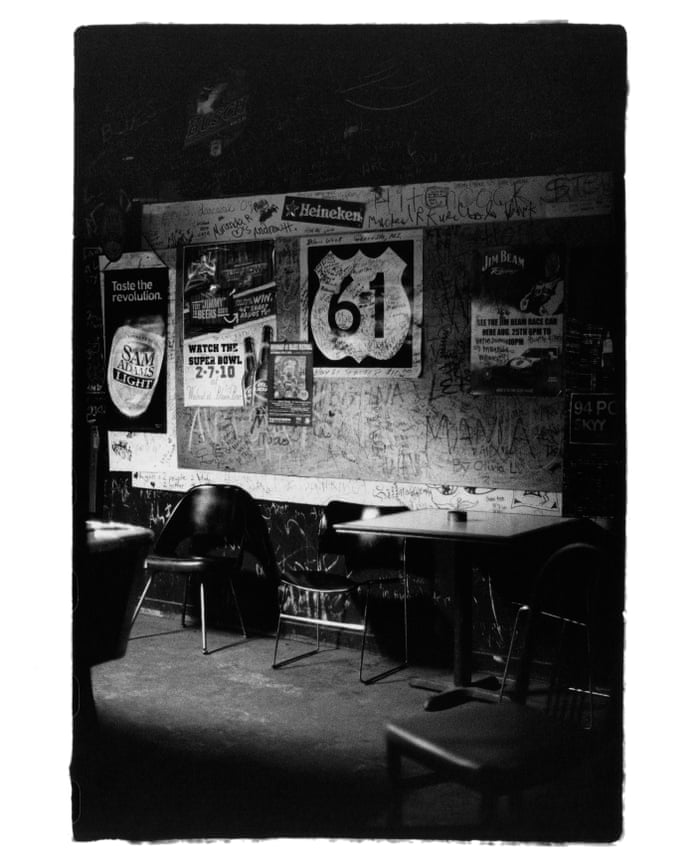
Highway 61 Revisited by Jessica Lange


Mississippi

Mississippi

Iowa

Minnesota

New Orleans

Minnesota

Arkansas

Mississippi

Missouri

Minnesota

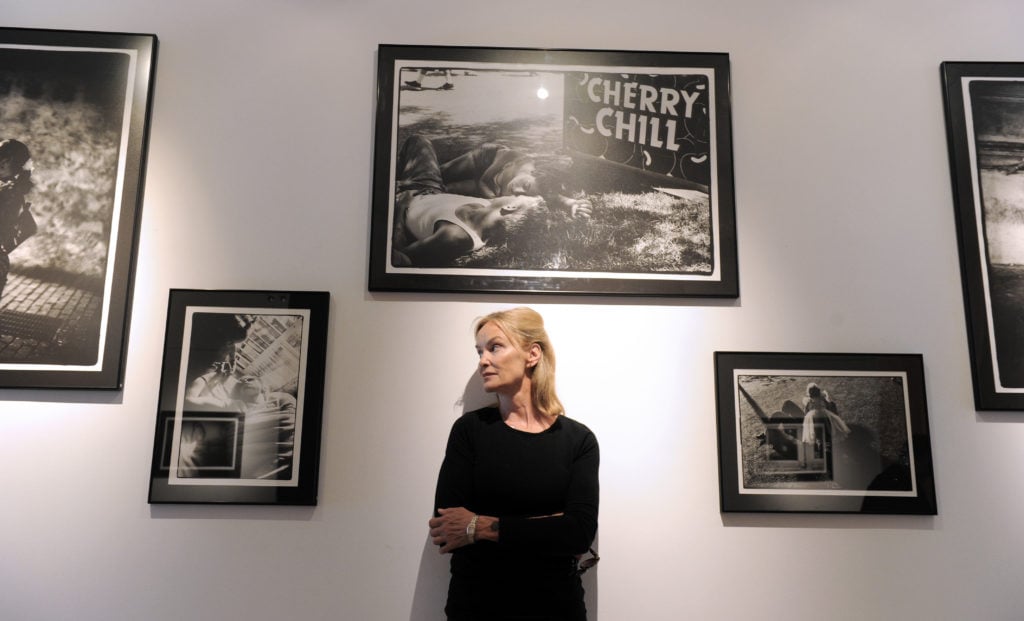
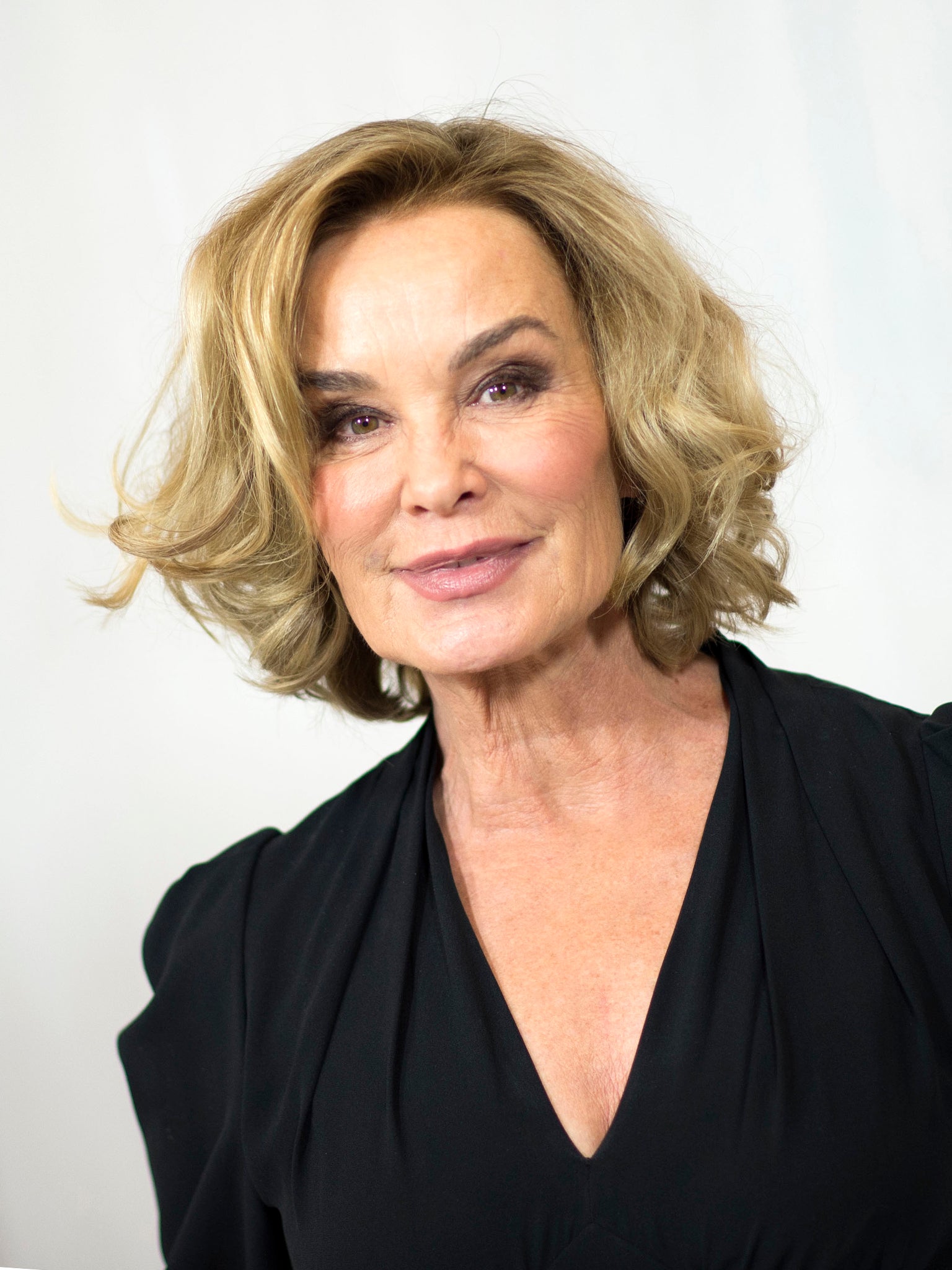
US actress Jessica Lange poses on July 9, 2010 in front of her black and white work, at the Ateliers de l'Image, in Saint-Remy de Provence, southern France. Photo: Gerard Julien/AFP/Getty Images.

“These photographs are a chronicle of what remains and what has disappeared. It has a long memory, Highway 61.” — Jessica Lange

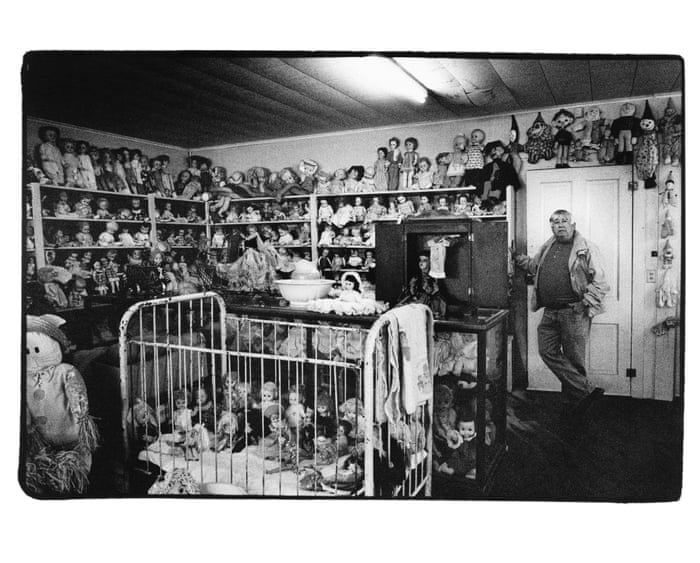
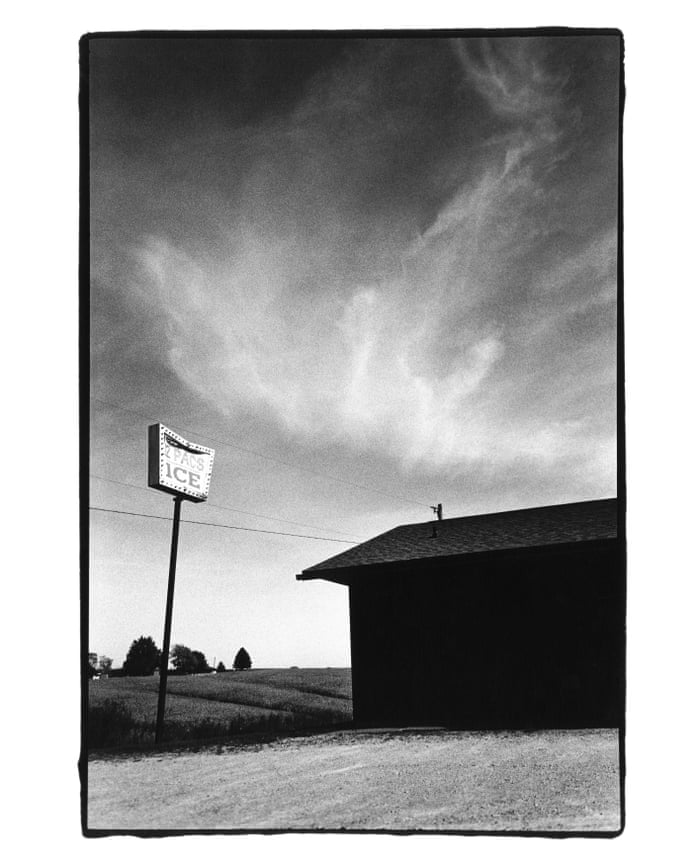
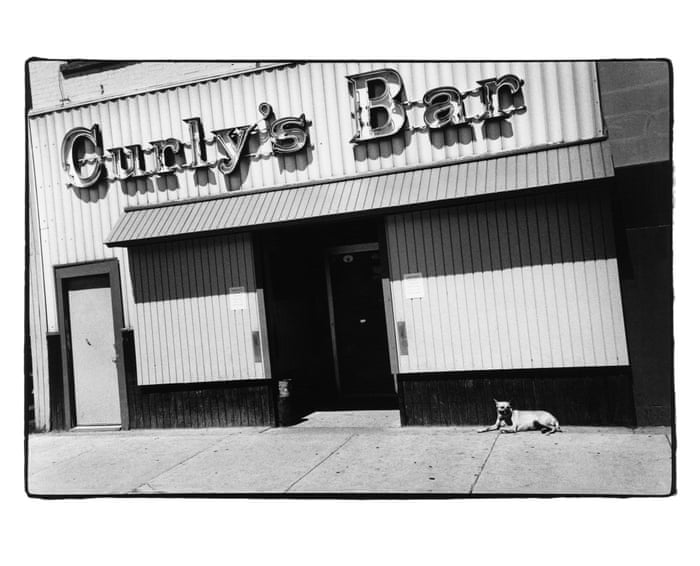
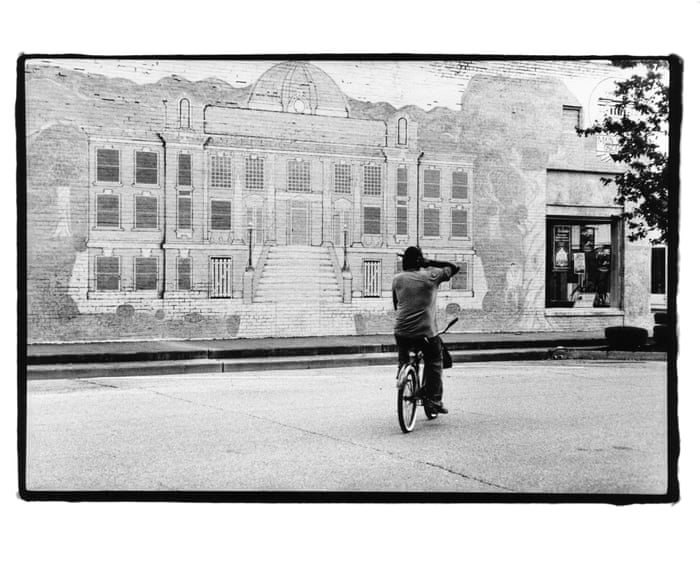
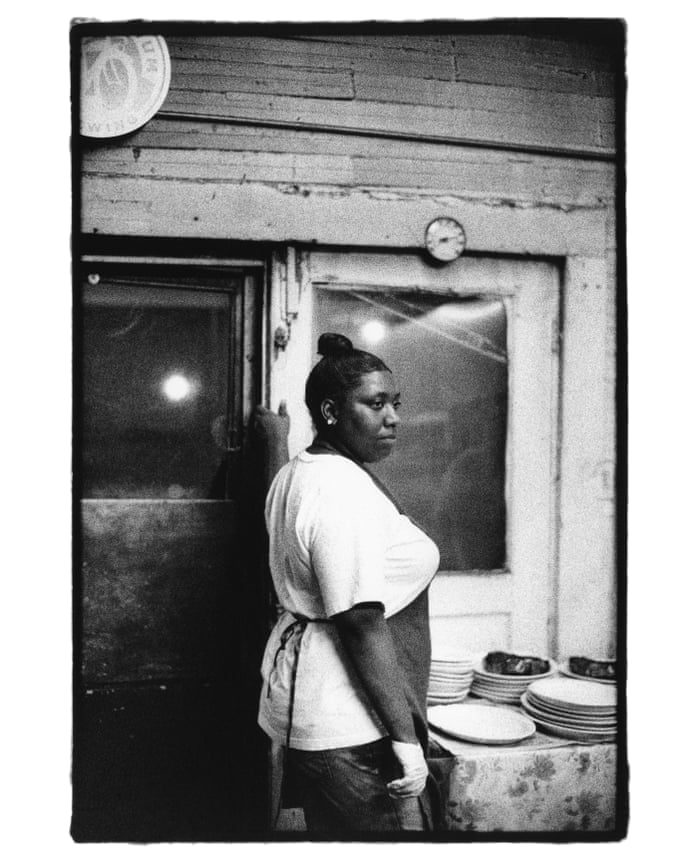
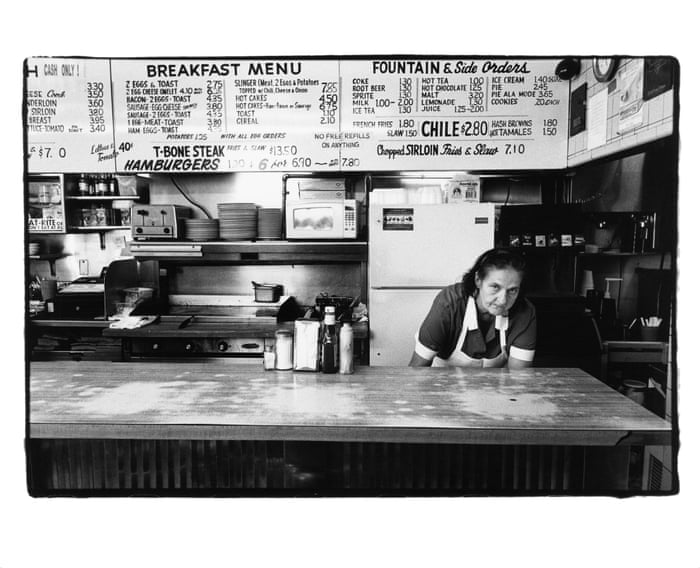
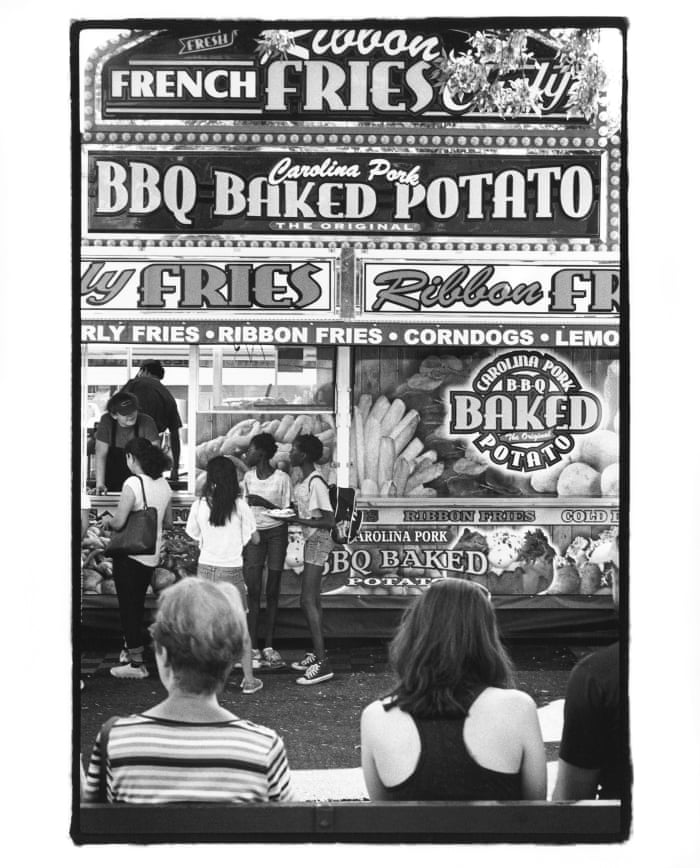
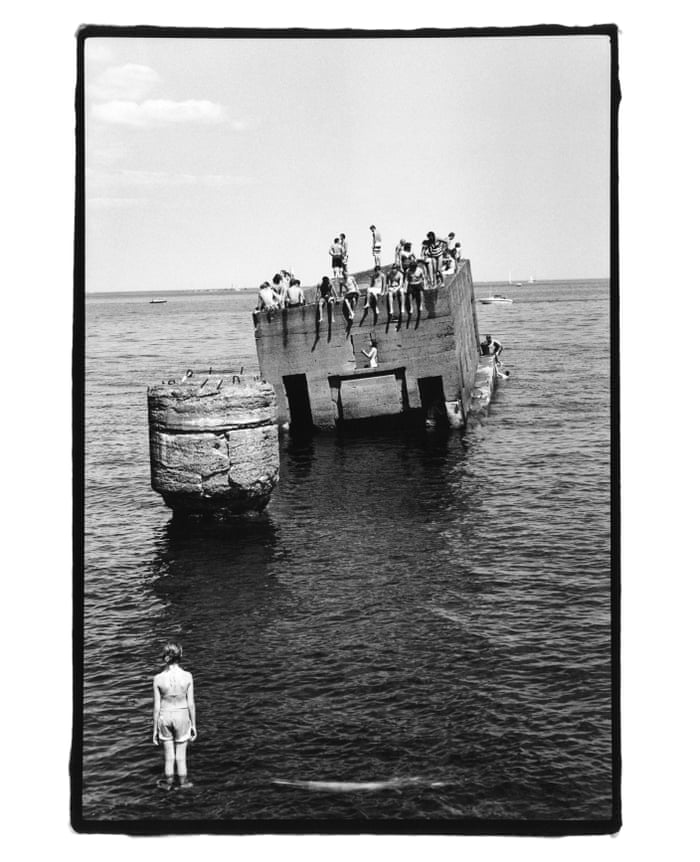
Renowned actress and photographer Jessica Lange was raised in Northern Minnesota and has travelled the length of Highway 61 countless times since her childhood and throughout her life. This storied route originates at the Canadian border in Minnesota and runs along the great Mississippi River through the American Midwest and South, rolling through eight states, down to New Orleans.

With more than 80 stunning tritone photographs, Lange’s Highway 61 reveals her deep connection to this iconic route, and presents that which she has long held dear along its way. This is a tale of our shared national heritage as seen by one of the most talented artists of her generation.

https://news.artnet.com/exhibitions/jessica-lange-highway-61-1669138


‘Highway 61’: Jessica Lange’s new photography book explores her midwestern roots
The Oscar-winning actress uses the same visceral method she uses on stage to take an honest and stripped-bare look at roadside reality.

Ted Loos 
The Independent
5 October 2019

When Jessica Lange finally admits that her driving is a bit unpredictable it comes as a relief. I was afraid to bring it up from the passenger seat. “My kids used to say, ‘Mom, pick a lane!’” the two-time Oscar winner says, chuckling.

On a day with silvery light coming through clouds and Lake Superior to our right, she is piloting us northward from Duluth, on Highway 61. We have a perfect car for an August road trip: her green 1967 Mercedes-Benz 250S, heavy as a tank and with seat belts of questionable functionality. But Lange exudes confidence and so I don’t worry too much. She knows where she is going.

For her, a Minnesota native who summers in what she calls a cabin an hour or so away, Highway 61 is more than a conveyance; it is a creative wellspring that dates back to her childhood.

In fact, this is Lange’s third trip along the route this summer, towards towns with names like Castle Danger and Beaver Bay, past dense stands of trees and signs for smoked fish and homemade pies. The road itself is the subject of her latest book of photographs Highway 61 which came out at the beginning of this month.

Inside, the 84 black-and-white photographs document all manner of life along 61, which runs – first as a state road, then for most of its route as a US highway – from the Canadian border down to New Orleans, a city where she lived and owned a home for a time. She was born in the town of Cloquet, Minnesota, and the route was a central artery for her family, but the book also chronicles the changes she has witnessed – stretches of the road that she describes as “empty, forlorn, as if in mourning for what has gone missing”.

It’s not that Lange, 70, who starred in Tootsie, Grey Gardens and dozens of other movies and TV shows, has given up acting. Her latest production from Ryan Murphy – who kept her busy through many seasons of American Horror Story, which earned her two of her three Emmys – is The Politician, which debuted on Netflix last Friday.

But photography is much more than a hobby for her, as I discover over our four-hour road trip. Wherever we stop, she pauses to take photographs.
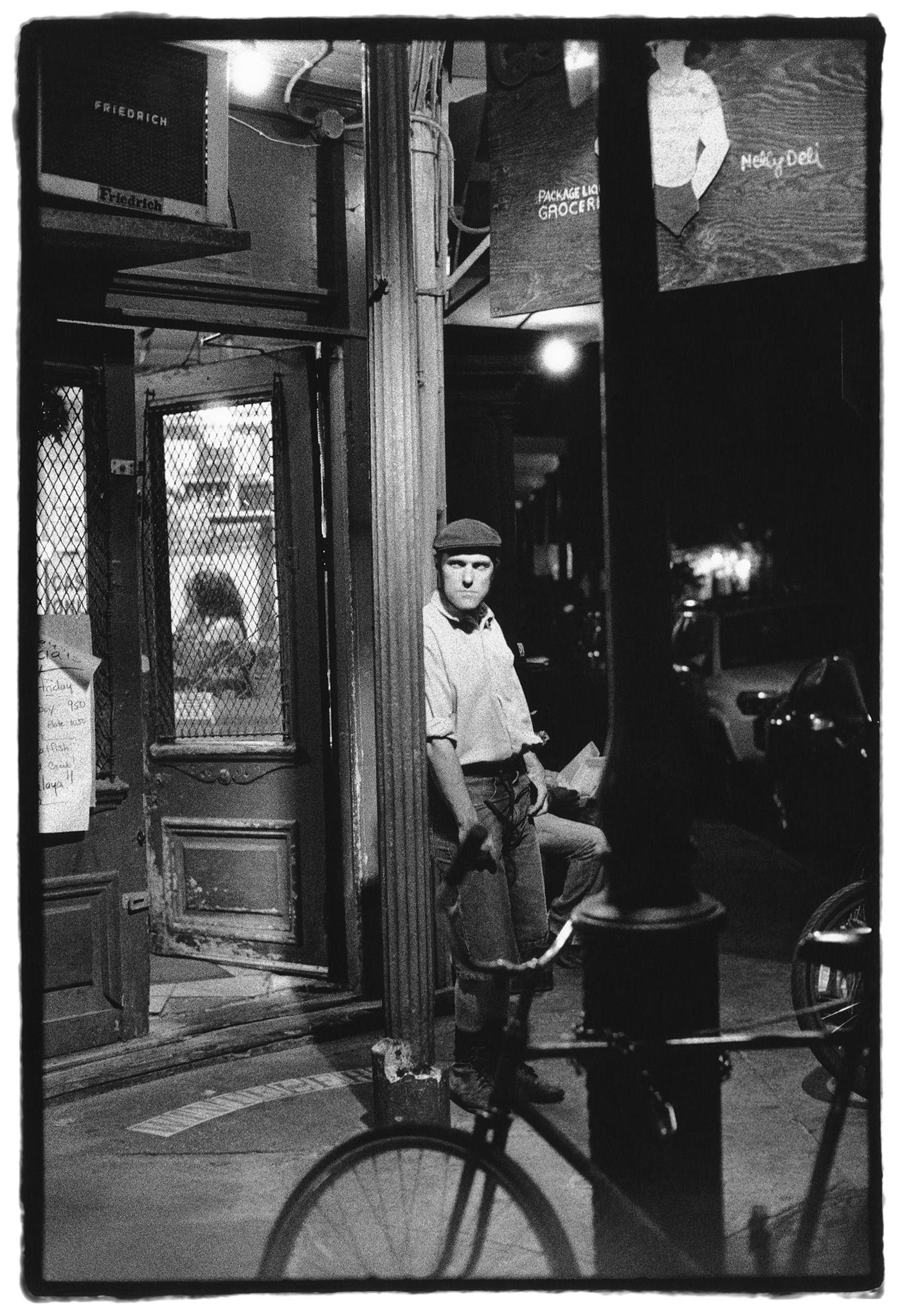
‘It’s expressive, emotional street photography’

She started taking pictures seriously in the 1990s, when her partner at the time, playwright and actor Sam Shepard, came back from a trip to Germany with a Leica as a gift. She saw it as a way to take high-quality pictures of their two children, and her practice grew from there.

Lange, although now based in New York, has spent time over the last six years documenting all eight states where Highway 61 unfolds.

In the book’s afterword, Lange writes about how her first album purchase was Highway 61 Revisited, released in 1965 by Bob Dylan, a fellow Minnesotan. When she left home at 18, she hit the road, “headed south out of town”, she writes, “on my way to Europe and beyond, the start of a new life”.
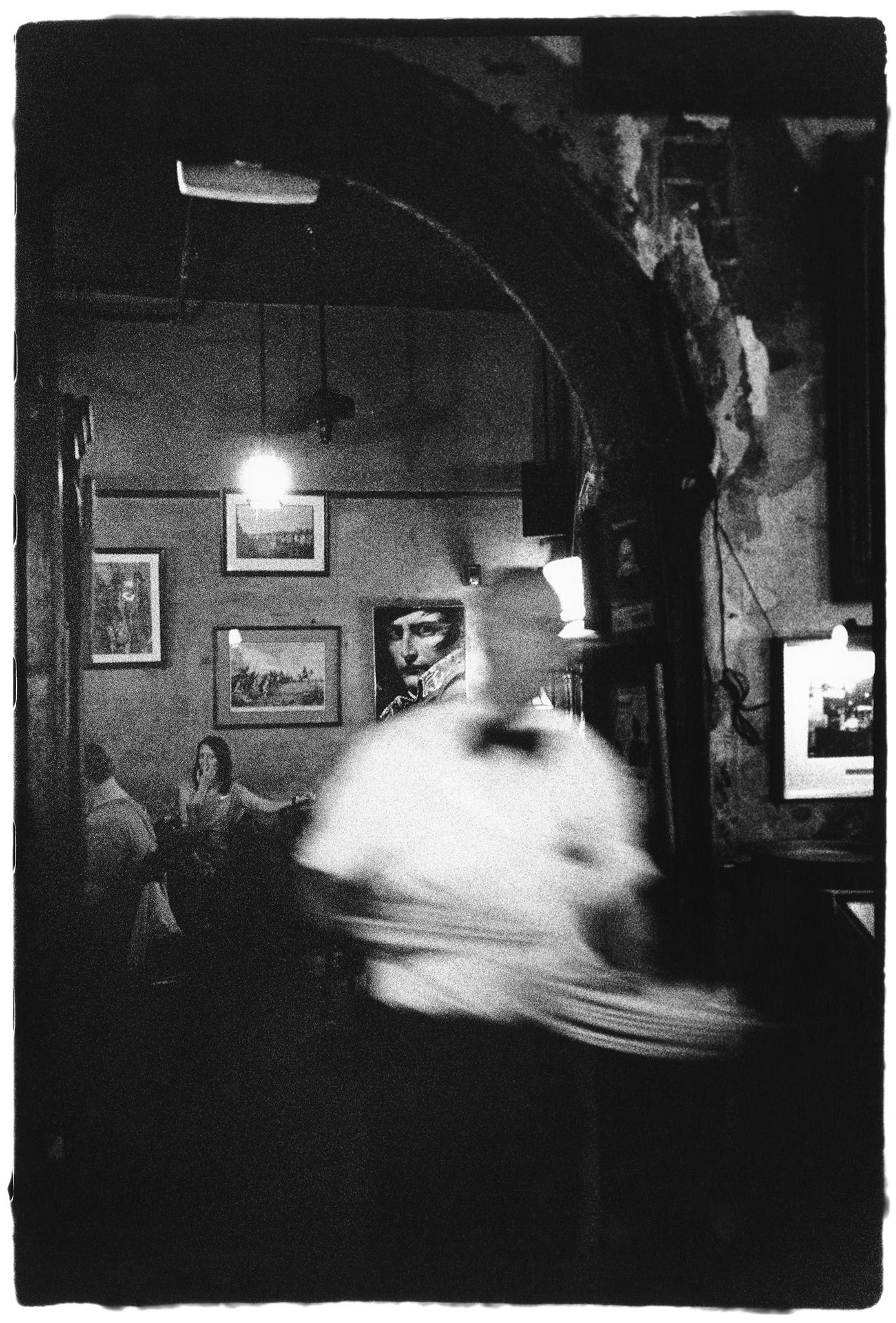

‘It’s not a tourist view. She gets close to her subjects’

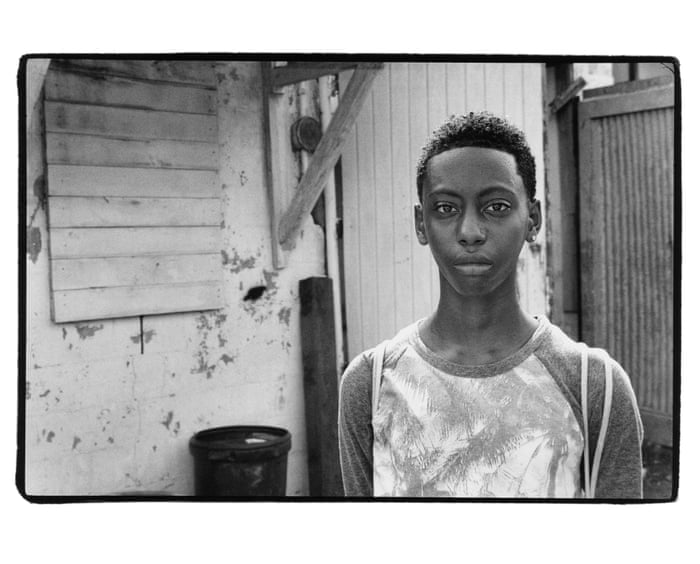
The photographs themselves are grainy, suffused with intense light and shadow, capturing small moments featuring people, road signs, horizons, carnivals, diners. The book’s cover has one of her most striking images, an African American child looking right at the camera with an intense gaze. “It’s expressive, emotional street photography,” says veteran dealer Howard Greenberg, who is giving Lange a show of the Highway 61 images from 21 November to 18 January in his New York gallery. “It’s not a tourist view. She gets close to her subjects.”

At first glance, Highway 61 may evoke the work of William Eggleston and Robert Frank, who died this month: they are two photographers Lange has known personally and admired. “Who hasn’t he influenced?” she says of Frank.
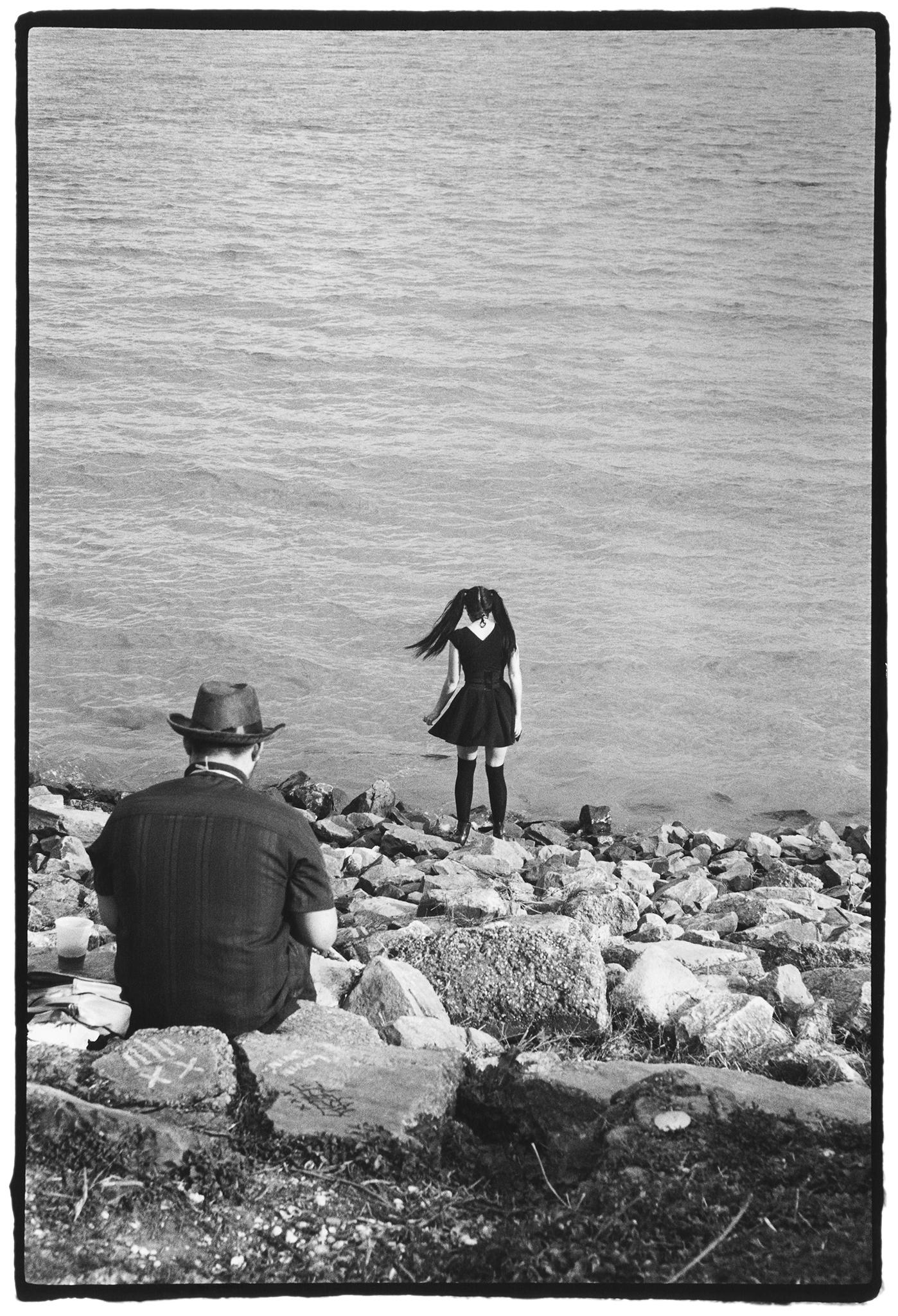
‘I never use a flash or carry lights or anything’

But her favourite practitioner is someone less famous, Czech photographer Josef Koudelka, noted for his work with the Magnum agency and high-contrast, black-and-white images, as in his seminal Gypsies series.

“I never use a flash or carry lights or anything,” Lange says when we stop for lunch and a beer in the town of Beaver Bay. A few people register that a famous person is in their midst, but Lange is unfazed. “I never crop,” Lange adds. “I think it’s a conceit. I always loved that Henri Cartier-Bresson showed you the whole image.”

Lange reads up on photography – she says she has been reading Roland Barthes’ Camera Lucida just this week – but her take on the medium is more instinctual than theoretical. “It’s storytelling,” Lange says.

Sarah Paulson, her co-star from American Horror Story and a close friend, lives in Los Angeles with four of Lange’s images on the walls and is soon getting a fifth. “When you’re seeing through Jessica’s lens, it’s immediate and feels visceral,” Paulson says. “It’s the same alchemy that makes her so extraordinarily powerful as an actress.”

Anne Morin, whose company, diChroma Photography, produces travelling photography exhibitions, met Lange through Greenberg and became enough of a fan to send her work on tour. Lange can be “as quick as Garry Winogrand,” Morin says. It’s true. When we arrive at Black Beach Park in Silver Bay – so named for its tiny black stones – Lange at first takes a few pictures of moody Lake Superior, but she seems uninspired by the landscape. It’s too generic.

After we greet a mother and two children who have braved the lake’s cold water for a dip, her camera is suddenly up and she snaps several pictures of the family as they walk away, cloaked in towels. “The boy turned as I was taking it, and it produced a great shape,” she says.

Photography, and what it captures, has potency for Lange, who recounts a moment when she was 5 or 6, looking through a box of photos in her grandparents’ attic. “One man was looking directly into the camera, and his gaze was so arresting to me as a little girl,” she recalls. “And I thought, ‘I’m connecting to him somehow.’ That’s the power of photography.”
‘What’s wonderful is the anonymity of it’

At the University of Minnesota, photography accidentally ended up in her curriculum when she couldn’t get into a painting class. She met a group of photographers through her professors there, including Daniel Seymour and Paco Grande. She married Grande in 1970, but not before ditching school to travel to Europe with them, including to Paris during the May 1968 protests.

‘You’re an actress, therefore you’re not considered a photographer. So you’re an actress who photographs. It’s a kind of mindless categorising’

Once she moved to New York, she found herself living in a loft on the Bowery with Robert Frank (Seymour’s collaborator in a 1972 documentary about the Rolling Stones on tour). She recalls Frank taking stills of her for a film she was working on at the time. But she herself wasn’t taking photographs yet. That would have to wait until after her movie career took off, starting with King Kong (1976).

As it turns out, one of the holdovers from her life in that era is the car we are driving in today, originally owned by director Milos Forman, who died last year. The Mercedes was a gift from Mikhail Baryshnikov, Lange’s partner of six years (it ended in 1982) and the father of the first of her three children.

Baryshnikov gave her the Mercedes after obtaining it from Forman, who used it to flee the 1968 Soviet invasion of Czechoslovakia. Somehow, his government ID from the time remained in the glove compartment, in a pink case. I almost don’t believe it until I have it in my hand. “He was so handsome,” she says.

The proximity of someone else’s fame brings up the topic of how someone as well known as Lange can be a street photographer, a genre that relies on the camera-wielder being unobtrusive. But as I witness, not everyone recognises Lange, at least at first, and by the time they do, she has already snapped the picture.

“What’s wonderful is the anonymity of it,” Lange tells me of switching sides from the object of the camera’s gaze to the director of it. “Such a relief”. In the age of Instagram, when “everyone is a photographer,” as she puts it, it’s a treat for her to take control of the lens. It’s a break from fretting that someone is taking her picture in a supermarket: “I don’t have to worry about being absurd.”

Once we are heading back south to Duluth, I wonder, given her success as an actor, exactly how seriously she wants to be taken as a photographer. “You know how this works,” she says, sounding not bitter but realistic. “You’re an actress, therefore you’re not considered a photographer. So you’re an actress who photographs. It’s a kind of mindless categorising; if you’re one thing, you can’t be another.”

But Midwestern optimism, and what I glean is one of Lange’s core personality traits – what Paulson calls her sense of “freedom and abandon” – wins the day, as the clouds actually part for the return home. “I’ve got a day job,” she says, and laughs again. “I just love taking photographs. That’s the only reason I do it.”

© New York Times

Friday, 4 October 2019

Wednesday night's set lists at The Habit, York


Ron Elderly: -
As Tears Go By
Wild Horses
Sweet Virginia
Just My Imagination
Lola
Suspicious Minds
The River
Promises
You Better Move On


Da Elderly: -
In The Morning Light
I'm Just A Loser
Like A Hurricane
Out On The Weekend
Tell Me Why
Heart Of Gold
Never Let Her Slip Away
You've Got A Friend
You're Sixty


The Elderly Brothers: -
Mailman, Bring Me No More Blues
Love Hurts
Then I Kissed Her
You Got It
Let It Be Me
I Saw Her Standing There


It was the quietest night for ages, particularly for players. Until a young chap came in at around 11:15, there was just me, Ron and host Simon at the mic. There weren't too many punters out either - maybe it was the Euro Footy games, certainly wasn't the weather, but those who did turn out were supportive and really enjoyed themselves. We took turns to play 3-song sets to fill up the night. I was surprised when two couples got up to dance to my pensioners' take on Johnny Burnette's You're Sixteen. After the young lad played his set, The Elderly Brothers finished off the show - I Saw Her Standing There bringing out the dancers again. Ron and I then played requests unplugged until closing time. Despite the poor turnout I think everyone had a good time, which is why we do this in the first place.