Wednesday, 23 March 2016

Tuesday, 22 March 2016
David T. Hanson's America: Wilderness to Wasteland

The American landscape: from wilderness to wasteland – in pictures
Thursday 17 March 2016
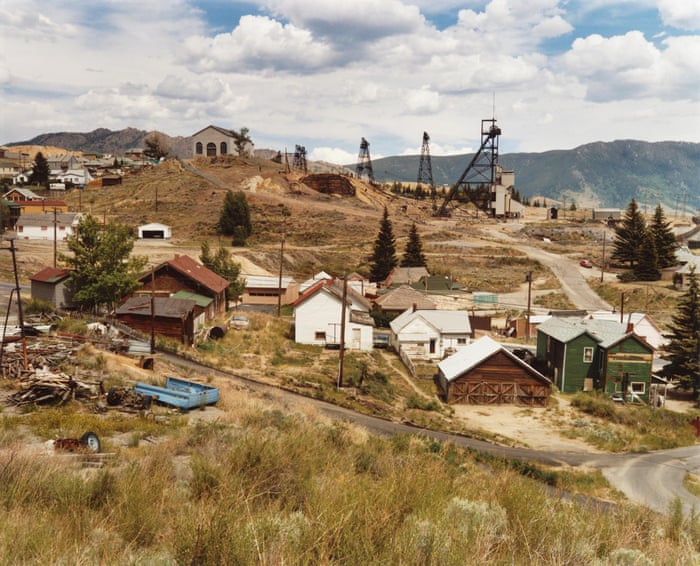
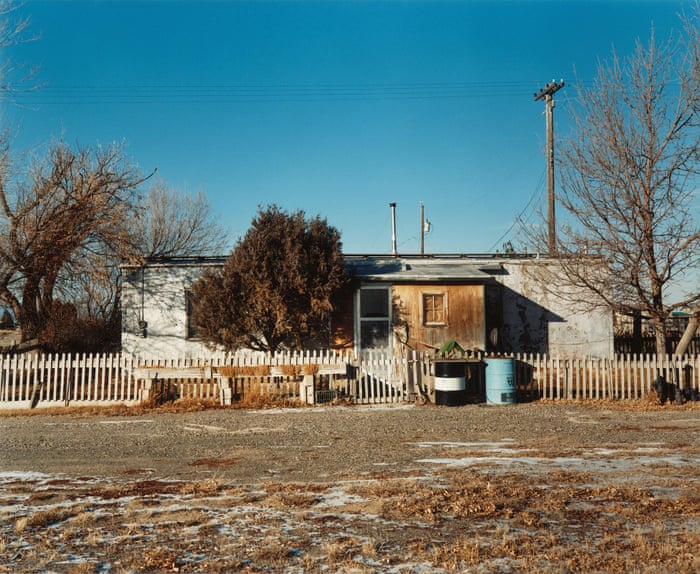
Off of main street, Atomic City, Idaho, 1986
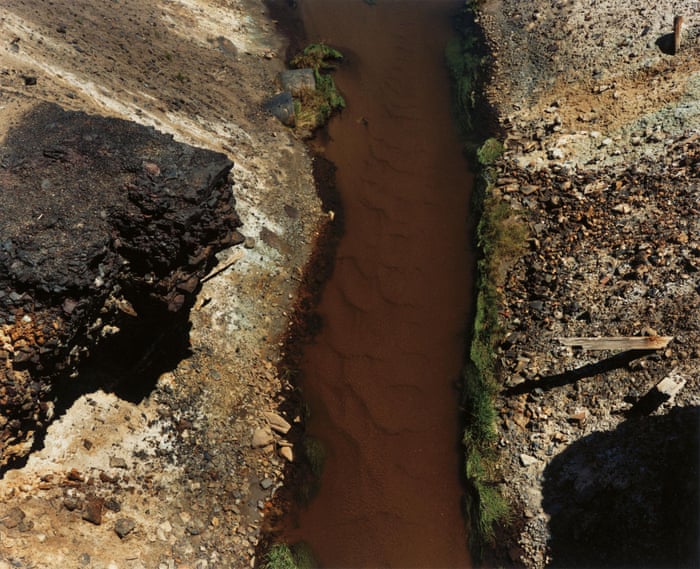
Silver Bow Creek polluted by mine waste in Butte, Montana, 1987
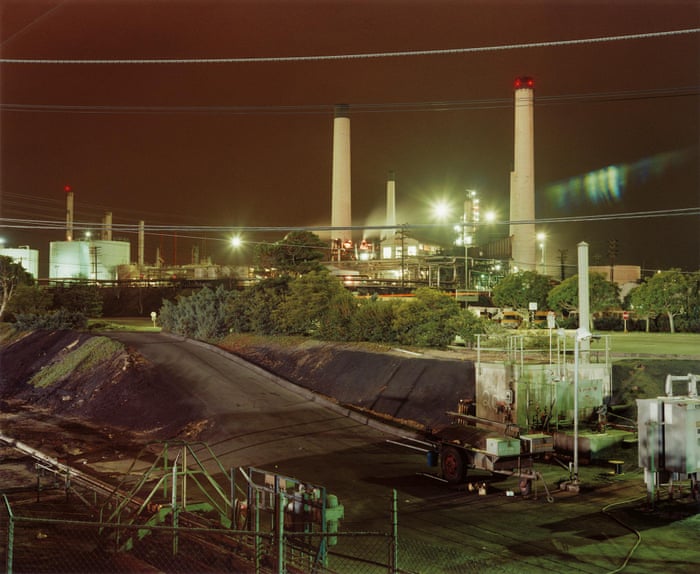
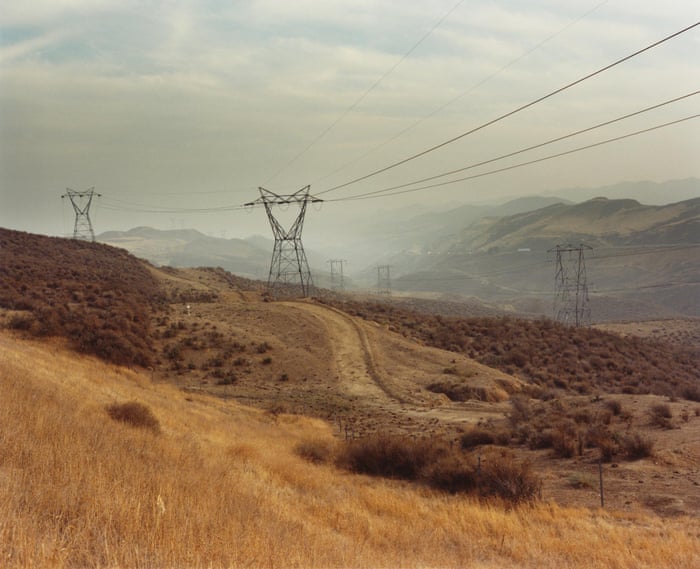 Looking toward Los Angeles from Interstate 5, near Sylmar, California, 1985


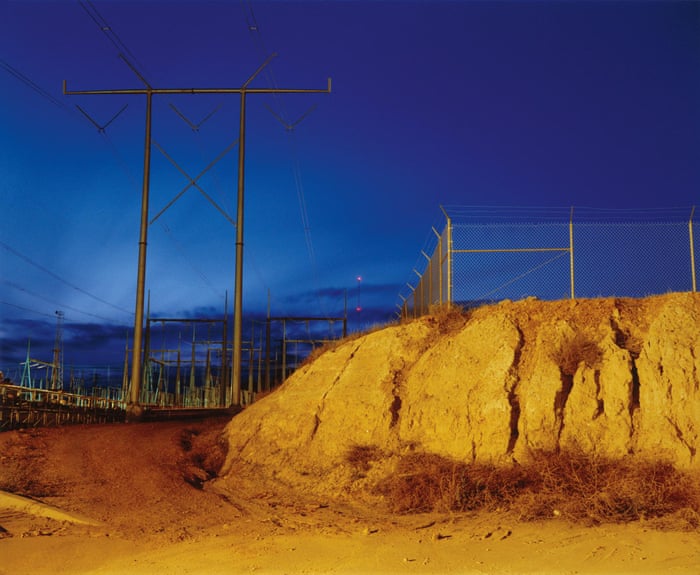
Dusk on the prairie, Montana (Montana Power Company, Colstrip, Montana), 1982
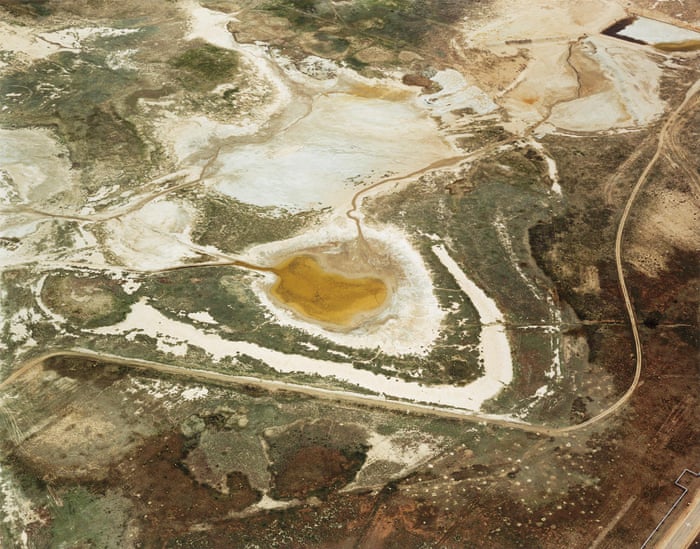
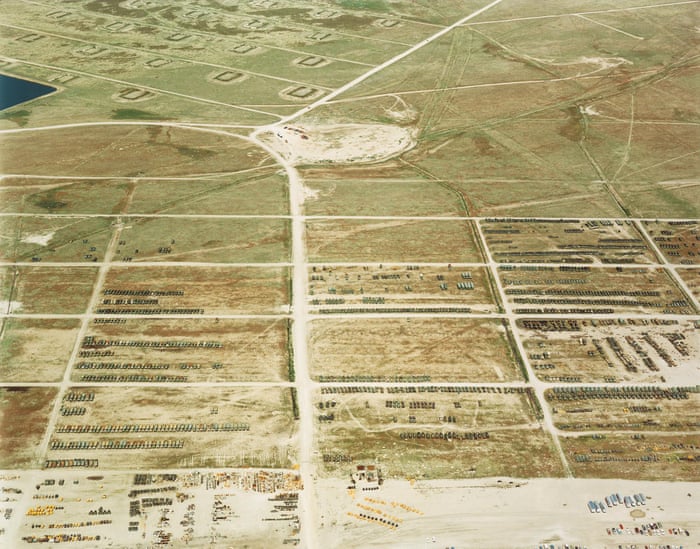
Tooele Army Depot Superfund site, Tooele, Utah, 1986
One photographer exposes the naïve faith of Alexis de Tocqueville’s belief in the “triumphant march of civilization.”

Ft. Worth-Dallas Club, next to the Pantex nuclear weapons plant, Carson County, Texas, 1985.
The landscape of the United States has been celebrated in story and song since this nation’s founding over two hundred years ago. Across the centuries, artists have documented the wilderness as a symbol of freedom, heroism, and grandeur. How tragic it is to see how the tide has turned. In Wilderness to Wasteland (Taverner Press), photographer David T. Hanson exposes the naïve faith of Alexis de Tocqueville’s belief in the “triumphant march of civilization.” Born and raised in Montana, Hanson has a sensitivity to the landscape that helped to shape the course of his life’s work: documenting the destruction and desecration of the corner of earth we call America.
The photographs in Wilderness to Wasteland were made during and just after Hanson created his much-acclaimed series Colstrip, Montana, which was exhibited by John Szarkowski at The Museum of Modern Art in 1986. Here we see a vast network of industrial horror, from Atomic City, Idaho, site of the world’s first nuclear plant and first reactor meltdown to Butte, Montana, home to vast copper mines and the location of the largest toxic waste site in the U.S., as well as aerial and landscape views taken across the country during the day and night. It’s a nightmare of epic proportions hiding in plain sight. Hanson speaks with Crave about the monster we have created.
What was the inspiration for Wilderness to Wasteland?
David T. Hanson: In the late 1970s, after I had spent a number of years primarily photographing wilderness areas in Montana and throughout the West, my photographic work became increasingly focused on the relationship humans have with their environment. My interest in our transformed landscape culminated in 1982, when I began an extended study of Colstrip, Montana, the site of one of the largest coal strip mines in North America as well as the coal-fired power plant and modern-day factory town that it surrounds. Over the course of three years, I photographed many aspects of the Colstrip operation, including a series of aerial views of the site. The Colstrip series was the beginning of my more critical examination of the 20th century American landscape and culture, how we live now and the consequences of that.
How have your travels across America exposed the true cost of industrialization?
Most of these pictures were made as I traveled throughout the U.S. on a Guggenheim Fellowship (and a subsequent NEA Individual Artist’s Fellowship), traveling to 45 states in 12 months. It was a difficult and sobering year, being constantly exposed to the stunning number of hazardous waste sites throughout the country and the extent of the damage that has been done. It felt like I was working in a war zone—a war that we have been waging on the earth, a war that has an enormous impact on our environment and on our health.
How do you think that the photograph adds to the environmental discussion in a way that no other medium does?
Even in this era of Photoshop and Instagram, photographs still carry for most people an inevitable sense of truth, of reality, of bearing witness to something that is real. Various environmental groups have told me that my photographs have been very helpful in their work, that clear, compelling, persuasive pictures communicate in a very powerful way. To see a photograph of a nuclear waste dump and the poisonous colors of the toxins in it juxtaposed with the natural landscape or the inhabited landscape has a visceral impact on a viewer. We’ve all read about these things and have heard about them, but to actually see it is a very different thing.
What was the inspiration for Wilderness to Wasteland?
David T. Hanson: In the late 1970s, after I had spent a number of years primarily photographing wilderness areas in Montana and throughout the West, my photographic work became increasingly focused on the relationship humans have with their environment. My interest in our transformed landscape culminated in 1982, when I began an extended study of Colstrip, Montana, the site of one of the largest coal strip mines in North America as well as the coal-fired power plant and modern-day factory town that it surrounds. Over the course of three years, I photographed many aspects of the Colstrip operation, including a series of aerial views of the site. The Colstrip series was the beginning of my more critical examination of the 20th century American landscape and culture, how we live now and the consequences of that.
How have your travels across America exposed the true cost of industrialization?
Most of these pictures were made as I traveled throughout the U.S. on a Guggenheim Fellowship (and a subsequent NEA Individual Artist’s Fellowship), traveling to 45 states in 12 months. It was a difficult and sobering year, being constantly exposed to the stunning number of hazardous waste sites throughout the country and the extent of the damage that has been done. It felt like I was working in a war zone—a war that we have been waging on the earth, a war that has an enormous impact on our environment and on our health.
How do you think that the photograph adds to the environmental discussion in a way that no other medium does?
Even in this era of Photoshop and Instagram, photographs still carry for most people an inevitable sense of truth, of reality, of bearing witness to something that is real. Various environmental groups have told me that my photographs have been very helpful in their work, that clear, compelling, persuasive pictures communicate in a very powerful way. To see a photograph of a nuclear waste dump and the poisonous colors of the toxins in it juxtaposed with the natural landscape or the inhabited landscape has a visceral impact on a viewer. We’ve all read about these things and have heard about them, but to actually see it is a very different thing.

You have expressed your concern about what Americans are leaving to future generations. Could you elaborate on this?
It seems frightening yet strangely appropriate that the most enduring monuments the West will leave for future generations will not be Stonehenge, the Pyramids of Giza, or the cathedral at Chartres, but rather the hazardous remains of our industry and technology. The temples of the Aztec and Mayan civilizations have survived a mere 500–2,000 years; Native American Anasazi cave dwellings and pictographs date back only 1,000–2,500 years. How much longer lasting—and how tragic in consequence—will be the contemporary wasteland that has been created in the United States during the past 200 years, and especially the last fifty.
What we have managed to do to this country in a mere 200 years, and to the American West in much less time, defies the imagination. Driven by our distorted notions of progress, we have realized the logical conclusion of our Manifest Destiny, and have transformed our natural world from wilderness to pastoral landscape to industrial site and now to wasteland. The Aboriginal people of Australia give voice to this conflict between technology and nature when they ask, “What will you do when the clever men destroy your water?”
Monday, 21 March 2016
Sunday, 20 March 2016


Saturday, 19 March 2016
Joe Santos RIP

Joe Santos, a Mainstay of ‘The Rockford Files,’ Dies at 84
By Bruce Weber
http://www.nytimes.com/2016/03/19/arts/television/joe-santos-a-mainstay-of-the-rockford-files-dies-at-84.html?_r=0
By Bruce Weber
The New York Times
18 March 2016
Joe Santos, a sturdily built, unpretentious character actor who had a memorable role as the overworked detective Dennis Becker on the popular 1970s drama “The Rockford Files,” died on Friday in Santa Monica, Calif. He was 84.
His son Perry confirmed the death, saying that Mr. Santos had had a heart attack earlier in the week.
Born in Brooklyn and reared in the Red Hook section, where many of his relatives were longshoremen and where he developed the working-class diction that became part of his appeal, Mr. Santos often played rough-hewed characters with an aura of toughness mellowed by earnestness or beleaguerment.

From the early 1960s, when he had a walk-on role in the series “Naked City,” he appeared on television series with enough regularity to qualify as an oh-yeah-that-guy performer, especially after “Rockford” made its debut in 1974.
The show, set in and around Los Angeles, starred James Garner as a resourceful if not financially stable private detective who lived in a battered trailer in a beach parking lot and had a somewhat rocky relationship with the local police; his main contact was Becker, whose patience he was constantly testing and whose loyalty to Rockford was looked down upon by his superiors.
Mr. Garner, who died in 2014, and Mr. Santos, who was nominated for an Emmy in 1979, made Rockford and Becker an odd couple in the longstanding tradition of television, mutually irritating but ultimately complicit. (Becker eventually made lieutenant.) The show ran for six years and was revived in a series of television movies in the 1990s.
Mr. Santos’s other prime-time credits included appearances as police lieutenants on “Hardcastle and McCormick,” an action series that starred Brian Keith, and “Magnum, P.I.,” starring Tom Selleck as a laid-back detective in Hawaii. More recently he was a mob consiglieri on the HBO drama “The Sopranos.”
Mr. Santos’s movies included “The Panic in Needle Park” (1971), a drama about drug addiction that starred a young Al Pacino, and “The Friends of Eddie Coyle” (1973), in which he played a criminal involved in a gun-dealing scheme.

Mr. Santos took a meandering route to his ultimate career. He was born on June 9, 1931, as Joseph John Minieri Jr. His father died on the day he was born. His mother, the former Rose Sarno, sold olive oil on the way to becoming a nightclub owner and singer in New York and Havana. She was married for a time to a Puerto Rican-born singer, Daniel Santos, and her son took his name.
Joe Santos attended military schools in the New York area, served in the Army during the Korean War and went to Fordham University, where he played football. In the 1950s he went to Havana, reportedly with a shipment of used cars to sell, and while there he met and married Maria Montero, who became known as Mary Santos. The couple returned to the United States when Fidel Castro seized power, he told United Press International in 1976. She died in 1988.
Besides his son Perry, Mr. Santos is survived by his partner, Nancy Hobson; another son, Joe Jr.; a daughter, Lilli Santos; and a grandson.
Joe Santos, a sturdily built, unpretentious character actor who had a memorable role as the overworked detective Dennis Becker on the popular 1970s drama “The Rockford Files,” died on Friday in Santa Monica, Calif. He was 84.
His son Perry confirmed the death, saying that Mr. Santos had had a heart attack earlier in the week.
Born in Brooklyn and reared in the Red Hook section, where many of his relatives were longshoremen and where he developed the working-class diction that became part of his appeal, Mr. Santos often played rough-hewed characters with an aura of toughness mellowed by earnestness or beleaguerment.
From the early 1960s, when he had a walk-on role in the series “Naked City,” he appeared on television series with enough regularity to qualify as an oh-yeah-that-guy performer, especially after “Rockford” made its debut in 1974.
The show, set in and around Los Angeles, starred James Garner as a resourceful if not financially stable private detective who lived in a battered trailer in a beach parking lot and had a somewhat rocky relationship with the local police; his main contact was Becker, whose patience he was constantly testing and whose loyalty to Rockford was looked down upon by his superiors.
Mr. Garner, who died in 2014, and Mr. Santos, who was nominated for an Emmy in 1979, made Rockford and Becker an odd couple in the longstanding tradition of television, mutually irritating but ultimately complicit. (Becker eventually made lieutenant.) The show ran for six years and was revived in a series of television movies in the 1990s.
Mr. Santos’s other prime-time credits included appearances as police lieutenants on “Hardcastle and McCormick,” an action series that starred Brian Keith, and “Magnum, P.I.,” starring Tom Selleck as a laid-back detective in Hawaii. More recently he was a mob consiglieri on the HBO drama “The Sopranos.”
Mr. Santos’s movies included “The Panic in Needle Park” (1971), a drama about drug addiction that starred a young Al Pacino, and “The Friends of Eddie Coyle” (1973), in which he played a criminal involved in a gun-dealing scheme.
Mr. Santos took a meandering route to his ultimate career. He was born on June 9, 1931, as Joseph John Minieri Jr. His father died on the day he was born. His mother, the former Rose Sarno, sold olive oil on the way to becoming a nightclub owner and singer in New York and Havana. She was married for a time to a Puerto Rican-born singer, Daniel Santos, and her son took his name.
Joe Santos attended military schools in the New York area, served in the Army during the Korean War and went to Fordham University, where he played football. In the 1950s he went to Havana, reportedly with a shipment of used cars to sell, and while there he met and married Maria Montero, who became known as Mary Santos. The couple returned to the United States when Fidel Castro seized power, he told United Press International in 1976. She died in 1988.
Besides his son Perry, Mr. Santos is survived by his partner, Nancy Hobson; another son, Joe Jr.; a daughter, Lilli Santos; and a grandson.
Friday, 18 March 2016
Raymond Chandler and the craft of writing

How do you create a masterpiece? With a lot of graft and heartache, according to the crime fiction master
Robert McCrum
The Guardian
Monday 9 February 2009
Craft versus creativity, painstaking attention to technique versus the wild heat of inspiration; an old theme, but an important one, alluded to (by anytimefrances) in a recent thread here on this blog. I've been reflecting on this question while reading a selection of Raymond Chandler's letters, edited by Dorothy Gardiner and Kathrine Sorley Walker. It's a window on a lost world - the Anglo-American literary life of the 1940s and 50s - but also, in some of Chandler's asides, rather contemporary.
As you might expect, Chandler has plenty of bracing things to say about "the craft of writing". If ever a man devoted himself to his craft – detective fiction is all about "craft" – while somehow managing to sustain an open line to his hard-bitten unconscious, it was Chandler.
His down-to-earth practicality about writing probably started with money. As in "not having any". He wrote for the "slicks" (The Black Mask etc) because he knew he would get paid for it and because, as he puts it, this was "a good way to learn to write fiction".
Chandler was a born writer, and a great one, but he found it hard. "What do I do with myself from day to day?" he wrote, in answer to a fan. "I write when I can and don't write when I can't ... " And again, to his publisher Hamish Hamilton: "The actual writing is what you live for. The rest is something you have to get through in order to arrive at the point."
Somewhere else, speaking of narrative technique, he writes: "A good story cannot be devised; it has to be distilled. I always regard the first draft as raw material. What seems to be alive in it is what belongs in the story."
So, no plot outlines for Chandler. He just goes at it, letting character and situation take him where they will. Famously, he said somewhere that when in doubt you could always bring a man through the door with a gun in his hand. Those are the words of a man writing for The Black Mask, but Chandler's letters have a hardboiled sweetness that also tells us he was an artist at heart.
Reading between the lines, it's clear that he found writing physically draining. "When a book reaches a certain intensity of artistic performance it becomes literature," he writes. "That intensity may be a matter of style, situation, character, emotional tone or half a dozen other things. It may also be a perfection of control over the movement of a story similar to the control a great pitcher has over the ball."
Chandler was a great pitcher. Like any sportsman at the top of his game, he did it his way, and made it seem effortless. Of course, his style was hard-won, and it mattered to him deeply. As he put it to the magazine editor who rashly interfered with his prose: "I write in a sort of broken-down patois which is something like the way a Swiss waiter talks. When I split an infinitive, God damn it, I split it so it will stay split …"
What am I saying ? You should pay attention to craft, but you can't teach it (whatever the writing schools tell us), and you certainly can't give advice when it comes to words on the page. What you can pass on is a love of reading, and the shining example of a really good book (novel, memoir, or collection of poems).
Sometimes, I think that to have written one good poem might be enough for one lifetime. There are too many words on the loose in the world, and if "craft" is another way of saying that we want to bring the chaos of that exuberant marketplace into some kind of temporary harmony then – yes – I'm for craft every time.
http://www.theguardian.com/books/booksblog/2009/feb/09/raymond-chandler
Monday 9 February 2009
Craft versus creativity, painstaking attention to technique versus the wild heat of inspiration; an old theme, but an important one, alluded to (by anytimefrances) in a recent thread here on this blog. I've been reflecting on this question while reading a selection of Raymond Chandler's letters, edited by Dorothy Gardiner and Kathrine Sorley Walker. It's a window on a lost world - the Anglo-American literary life of the 1940s and 50s - but also, in some of Chandler's asides, rather contemporary.
As you might expect, Chandler has plenty of bracing things to say about "the craft of writing". If ever a man devoted himself to his craft – detective fiction is all about "craft" – while somehow managing to sustain an open line to his hard-bitten unconscious, it was Chandler.
His down-to-earth practicality about writing probably started with money. As in "not having any". He wrote for the "slicks" (The Black Mask etc) because he knew he would get paid for it and because, as he puts it, this was "a good way to learn to write fiction".
Chandler was a born writer, and a great one, but he found it hard. "What do I do with myself from day to day?" he wrote, in answer to a fan. "I write when I can and don't write when I can't ... " And again, to his publisher Hamish Hamilton: "The actual writing is what you live for. The rest is something you have to get through in order to arrive at the point."
Somewhere else, speaking of narrative technique, he writes: "A good story cannot be devised; it has to be distilled. I always regard the first draft as raw material. What seems to be alive in it is what belongs in the story."
So, no plot outlines for Chandler. He just goes at it, letting character and situation take him where they will. Famously, he said somewhere that when in doubt you could always bring a man through the door with a gun in his hand. Those are the words of a man writing for The Black Mask, but Chandler's letters have a hardboiled sweetness that also tells us he was an artist at heart.
Reading between the lines, it's clear that he found writing physically draining. "When a book reaches a certain intensity of artistic performance it becomes literature," he writes. "That intensity may be a matter of style, situation, character, emotional tone or half a dozen other things. It may also be a perfection of control over the movement of a story similar to the control a great pitcher has over the ball."
Chandler was a great pitcher. Like any sportsman at the top of his game, he did it his way, and made it seem effortless. Of course, his style was hard-won, and it mattered to him deeply. As he put it to the magazine editor who rashly interfered with his prose: "I write in a sort of broken-down patois which is something like the way a Swiss waiter talks. When I split an infinitive, God damn it, I split it so it will stay split …"
What am I saying ? You should pay attention to craft, but you can't teach it (whatever the writing schools tell us), and you certainly can't give advice when it comes to words on the page. What you can pass on is a love of reading, and the shining example of a really good book (novel, memoir, or collection of poems).
Sometimes, I think that to have written one good poem might be enough for one lifetime. There are too many words on the loose in the world, and if "craft" is another way of saying that we want to bring the chaos of that exuberant marketplace into some kind of temporary harmony then – yes – I'm for craft every time.
Thursday, 17 March 2016
Last night's set lists
At The Habit, York: -
Da Elderly: -
I'm Just A Loser
Is It Only The Moonlight?
I Don't Want To Talk About It
Ron Elderly: -
No Expectations
Just My Imagination
Dead Flowers
The Elderly Brothers: -
Bye Bye Love
Words
Lola
When Will I Be Loved
I Saw Her Standing There
The usual ebb and flow of a Wednesday night open mic was interrupted somewhat by the presence of two 'scouts' from The Voice. This meant that all performances were filmed, whether you were interested or not. Anyway, it brought out some new talent, including folks from Doncaster and Leeds. After the 'auditions', The Elderlys did the penultimate turn of the night; our host then finished off with a couple of numbers.
Da Elderly: -
I'm Just A Loser
Is It Only The Moonlight?
I Don't Want To Talk About It
Ron Elderly: -
No Expectations
Just My Imagination
Dead Flowers
The Elderly Brothers: -
Bye Bye Love
Words
Lola
When Will I Be Loved
I Saw Her Standing There
The usual ebb and flow of a Wednesday night open mic was interrupted somewhat by the presence of two 'scouts' from The Voice. This meant that all performances were filmed, whether you were interested or not. Anyway, it brought out some new talent, including folks from Doncaster and Leeds. After the 'auditions', The Elderlys did the penultimate turn of the night; our host then finished off with a couple of numbers.
Wednesday, 16 March 2016
Sylvia Anderson RIP

Sylvia Anderson obituary: co-creator of Thunderbirds
Voice of Lady Penelope who with her husband Gerry produced classic puppet series of the 60s
Anthony Hayward
Wednesday 16 March 2016
With her then husband, Gerry, Sylvia Anderson, who has died aged 88, brought to television some of the best-loved children’s puppet series of the 1960s, remembered for their groundbreaking animation and spectacular special effects. While he produced the programmes, she was responsible for character development, storylines, costume design, providing voices and directing other voice actors’ dialogue. Her most famous creation was Lady Penelope, International Rescue’s London agent in Thunderbirds (1965-66), whom she gave “not only the daring and panache of a secret agent, but also the poise of a cool and beautiful aristocrat”.
The Andersons’ aim was to find British characters for Thunderbirds that would have specific appeal for an American audience, to feature alongside Jeff Tracy, the US head of International Rescue, and his five sons, who launch land, sea, air and space missions in their hi-tech craft from Tracy Island, in the Pacific. Sylvia explained in 2014: “I thought to myself, ‘They think we’re either cockneys or posh ladies in stately homes. OK, that’s what we’ll give them.’ So you’ve got Parker, the cockney chauffeur, and Lady Penelope Creighton-Ward, who lives this glamorous life in her big house.”
Wednesday 16 March 2016
With her then husband, Gerry, Sylvia Anderson, who has died aged 88, brought to television some of the best-loved children’s puppet series of the 1960s, remembered for their groundbreaking animation and spectacular special effects. While he produced the programmes, she was responsible for character development, storylines, costume design, providing voices and directing other voice actors’ dialogue. Her most famous creation was Lady Penelope, International Rescue’s London agent in Thunderbirds (1965-66), whom she gave “not only the daring and panache of a secret agent, but also the poise of a cool and beautiful aristocrat”.
The Andersons’ aim was to find British characters for Thunderbirds that would have specific appeal for an American audience, to feature alongside Jeff Tracy, the US head of International Rescue, and his five sons, who launch land, sea, air and space missions in their hi-tech craft from Tracy Island, in the Pacific. Sylvia explained in 2014: “I thought to myself, ‘They think we’re either cockneys or posh ladies in stately homes. OK, that’s what we’ll give them.’ So you’ve got Parker, the cockney chauffeur, and Lady Penelope Creighton-Ward, who lives this glamorous life in her big house.”
Lady Penelope, voiced by Sylvia, modelled to look like her and driven around the English countryside in a pink Rolls-Royce with the number plate FAB 1, provided a strong female character for the first time in the Andersons’ animated productions. Sylvia became synonymous with Lady Penelope, making public appearances in an identical outfit, driving her own FAB 1 Rolls-Royce and even recording the song Parker – Well Done! in 1965 as the B-side of the Thunderbirds theme.
Although the programme ran to only two series, it was the couple’s most popular and commercially successful production, supported by an array of merchandise such as toys, books and games. Stingray (1964-65), Captain Scarlet and the Mysterons (1967-68) and Joe 90 (1968-69) were other Anderson creations that became the staple of many childhoods.
While carefully crafting the marionettes and sets – and destroying them with explosions and other special effects – the couple were also at the forefront of technology. The audio signals from pre-recorded dialogue passed through the puppets’ wires to trigger solonoids in their heads, providing synchronised lip movement. This technique was trademarked as Supermarionation.
The Andersons moved on to live-action productions, which had always been Gerry’s ambition, but UFO (1969-73) and Space: 1999 (1975-76) flopped. Not only was the pair’s peak period of creativity over by then, so was their marriage.
Sylvia was born in south London, daughter of Sidney Thomas, a boxing promoter who owned a gym, and his wife, Beatrice (nee Aberdeen), a dressmaker. As a child, she enjoyed visits to the cinema and acting in school plays. She married Jack Brooks in 1946 and had a daughter, Dee. That and her 1952 marriage to George Thamm both ended in divorce.
In 1955, while studying economics and sociology at the London School of Economics, she became a part-time secretary at Polytechnic Studios, where Gerry Anderson directed documentaries. The job became full-time and she never returned to university. The following year, she joined Anderson and one of Polytechnic’s camera operators, Arthur Provis, to form Pentagon Films, making television commercials.
They then formed AP Films in 1957, with Sylvia as a company director and production assistant, and were commissioned by ITV to make The Adventures of Twizzle (1957-59), from Roberta Leigh’s children’s stories, followed by the first run of Leigh’s Torchy the Battery Boy (1958-59). Both featured traditional marionettes, but Gerry devised innovative filming and puppetry techniques.
Sylvia and Gerry married in 1960 while making the western puppet series Four Feather Falls. Supermarionation began with Supercar (1961-62) and Fireball XL5 (1962-63), then Stingray, the Andersons’ first production to be filmed in colour.
Already a writer of some episodes of the television programmes, Sylvia was elevated to producer for two feature-film versions of the Andersons’ biggest worldwide hit – Thunderbirds Are Go (1966) and Thunderbird 6 (1968) – but both bombed at the box office. Their marriage began to falter around the same time, although thoughts of separation were averted by the birth in 1967 of their son, also called Gerry.
Thunderbirds proved hard to follow. Captain Scarlet and the Mysterons and Joe 90 were less popular, and signalled the end of a golden era. The Secret Service (1969) saw the merger of puppets and live action, but ITV pulled the show after 13 episodes.
Following UFO, the Andersons had a trial separation. They were reunited and together created Space: 1999, which Sylvia produced. However, at the end of the first series, the couple parted for good – Sylvia claimed Gerry hated sharing the limelight – and they divorced in 1981.
Sylvia was briefly head of production for a video company before spending 20 years as the US cable television channel HBO’s UK programming representative, researching talent and co-production deals. She also acted as a consultant for the 2004 live-action Thunderbirds film and voiced Lady Penelope’s Aunt Sylvia (2015) in the CGI television revival Thunderbirds Are Go!
She wrote a semi-autobiographical novel, Love and Hisses (1983), and a volume of memoirs, Yes M’Lady (1991), updated in 2007 as My FAB Years.
She is survived by Dee and Andy, four grandchildren and a great-granddaughter.
• Sylvia Beatrice Anderson, television producer, writer and actor, born 25 March 1927; died 15 March 2016
Tuesday, 15 March 2016
Woody Allen on Vicky Cristina Barcelona.

Excerpts From the Spanish Diary
Woody Allen
Woody Allen
The New York Times

JUNE 1
Arrived Barcelona. Accommodations first class. Hotel has been promised half star next year provided they install running water.
JUNE 5
Shooting got off to a shaky start. Rebecca Hall, though young and in her first major role, is a bit more temperamental than I thought and had me barred from the set. I explained the director must be present to direct the film. Try as I may, I could not convince her and had to disguise as man delivering lunch to sneak back on the set.
JUNE 15
Work finally under way. Shot a torrid love scene today between Scarlett and Javier. If this were a scant few years ago, I would have played Javier’s part. When I mentioned that to Scarlett, she said, “Uh-huh,” with an enigmatic intonation. Scarlett came late to the set. I lectured her rather sternly, explaining I do not tolerate tardiness from my cast. She listened respectfully, although as I spoke I thought I noticed her turning up her iPod.
JUNE 20
Barcelona is a marvelous city. Crowds turn out in the streets to watch us work. Mercifully they realize I’ve no time to give autographs, and so they ask only the cast members. Later I handed out some 8-by-10 photos of myself shaking hands with Spiro Agnew and offered to sign them, but by then the crowd had dispersed.

JUNE 26
Filmed at La Sagrada Familia, Gaudi’s masterpiece. Was thinking I have much in common with the great Spanish architect. We both defy convention, he with his breathtaking designs and me by wearing a lobster bib in the shower.
JUNE 30
Dailies are looking good, and while Javier’s idea to add a massive Martian invasion scene complete with a thousand costumed extras and elaborate flying saucers is not a very good one, I will shoot it to make him happy and cut it in the editing room.
JULY 3
Scarlett came to me today with one of those questions actors ask, “What’s my motivation?” I shot back, “Your salary.” She said fine but that she needed a lot more motivation to continue. About triple. Otherwise she threatened to walk. I called her bluff and walked first. Then she walked. Now we were rather far apart and had to yell to be heard. Then she threatened to hop. I hopped too, and soon we were at an impasse. At the impasse I ran into friends, and we all drank, and of course I got stuck with the check.

JULY 15
Once again I had to help Javier with the lovemaking scenes. The sequence requires him to grab Penélope Cruz, tear off her clothes and ravish her in the bedroom. Oscar winner that he is, the man still needs me to show him how to play passion. I grabbed Penélope and with one motion tore her clothes off. As fate would have it she had not yet changed into costume, so it was her own expensive dress I mutilated. Undaunted I flung her down before the fireplace and dove on top of her. Minx that she is, she rolled away a split second before I landed causing me to fracture certain key teeth on the tile floor. Fine day’s work, and I should be able to eat solids by August.
JULY 30
Dailies looking rather brilliant. Probably too early to start planning Academy campaign. Still, a few notes for an acceptance speech might just save me some time later.
AUG. 3
I suppose it comes with the territory. As director one is part teacher, part shrink, part father figure, guru. Is it any wonder then that as the weeks have passed, Scarlett and Penélope have both developed crushes on me? The fragile female heart. I notice poor Javier looking on enviously as the actresses bed me with their eyes, but I’ve explained to the boy that unbridled feminine desire for a cinema icon, particularly one who wears a sneer of cold command, is to be expected. Meanwhile when I approach the set each morning bathed and freshly scented, between Scarlett and Penélope there is a virtual feeding frenzy. I never like mixing business with pleasure, but I may have to slake the lust of each one in turn to get the film completed. Perhaps I can give Penélope Wednesdays and Fridays, satisfying Scarlett Tuesdays and Thursdays. Like alternate-side parking. That would leave Monday free for Rebecca, whom I stopped just in time from tattooing my name on her thigh. I’ll have a drink with the ladies in the cast after filming and set some ground rules. Maybe the old system of ration coupons could work.
AUG. 10
Directed Javier in emotional scene today. Had to give him line readings. As long as he imitates me he’s fine. The minute he tries his own acting choices he’s lost. Then he weeps and wonders how he’ll survive when I’m no longer his director. I explained politely but firmly that he must do the best he can without me and to try to remember the tips I’ve given him. I know he was cheered because when I left his trailer, he and his friends were howling with laughter.

AUG. 20
Made love with Scarlett and Penélope simultaneously in an effort to keep them happy. Ménage gave me great idea for the climax of the movie. Rebecca kept pounding on the door, and I finally let her in, but those Spanish beds are too small to handle four, and when she joined, I kept getting bounced to the floor.
AUG. 25
End production today. Wrap party as usual a little sad. Slow danced with Scarlett. Broke her toe. Not my fault. When she dipped me back, I stepped on it.
Penélope and Javier anxious to work with me again. Said if I ever come up with another screenplay to try and find them. Goodbye drink with Rebecca. Sentimental moment. Everyone in cast and crew chipped in and bought me a ballpoint pen. Have decided to call film “Vicky Cristina Barcelona.” Studio heads have seen all the dailies. Apparently they love every frame, and there is talk of opening it at a leper colony. It’s lonely at the top.
20 August 200
RECEIVED offer to write and direct film in Barcelona. Must be cautious. Spain is sunny, and I freckle. Money not great either, but agent did manage to get me a 10th of 1 percent of anything the picture does over $400 million after break even.
Have no idea for Barcelona unless the story of the two Hackensack Jews who start a mail-order embalming firm could be switched.
MARCH 5
Met with Javier Bardem and Penélope Cruz. She’s ravishing and more sexual than I had imagined. During interview my pants caught fire. Bardem is one of those brooding geniuses who clearly will need a firm hand from me.
APRIL 2
Offered role to Scarlett Johansson. Said before she could accept, script must be approved by her agent, then by her mother, with whom she’s close. Following that it must be approved by her agent’s mother. In middle of negotiation she changed agents — then changed mothers. She’s gifted but can be a handful.
RECEIVED offer to write and direct film in Barcelona. Must be cautious. Spain is sunny, and I freckle. Money not great either, but agent did manage to get me a 10th of 1 percent of anything the picture does over $400 million after break even.
Have no idea for Barcelona unless the story of the two Hackensack Jews who start a mail-order embalming firm could be switched.
MARCH 5
Met with Javier Bardem and Penélope Cruz. She’s ravishing and more sexual than I had imagined. During interview my pants caught fire. Bardem is one of those brooding geniuses who clearly will need a firm hand from me.
APRIL 2
Offered role to Scarlett Johansson. Said before she could accept, script must be approved by her agent, then by her mother, with whom she’s close. Following that it must be approved by her agent’s mother. In middle of negotiation she changed agents — then changed mothers. She’s gifted but can be a handful.
JUNE 1
Arrived Barcelona. Accommodations first class. Hotel has been promised half star next year provided they install running water.
JUNE 5
Shooting got off to a shaky start. Rebecca Hall, though young and in her first major role, is a bit more temperamental than I thought and had me barred from the set. I explained the director must be present to direct the film. Try as I may, I could not convince her and had to disguise as man delivering lunch to sneak back on the set.
JUNE 15
Work finally under way. Shot a torrid love scene today between Scarlett and Javier. If this were a scant few years ago, I would have played Javier’s part. When I mentioned that to Scarlett, she said, “Uh-huh,” with an enigmatic intonation. Scarlett came late to the set. I lectured her rather sternly, explaining I do not tolerate tardiness from my cast. She listened respectfully, although as I spoke I thought I noticed her turning up her iPod.
JUNE 20
Barcelona is a marvelous city. Crowds turn out in the streets to watch us work. Mercifully they realize I’ve no time to give autographs, and so they ask only the cast members. Later I handed out some 8-by-10 photos of myself shaking hands with Spiro Agnew and offered to sign them, but by then the crowd had dispersed.
JUNE 26
Filmed at La Sagrada Familia, Gaudi’s masterpiece. Was thinking I have much in common with the great Spanish architect. We both defy convention, he with his breathtaking designs and me by wearing a lobster bib in the shower.
JUNE 30
Dailies are looking good, and while Javier’s idea to add a massive Martian invasion scene complete with a thousand costumed extras and elaborate flying saucers is not a very good one, I will shoot it to make him happy and cut it in the editing room.
JULY 3
Scarlett came to me today with one of those questions actors ask, “What’s my motivation?” I shot back, “Your salary.” She said fine but that she needed a lot more motivation to continue. About triple. Otherwise she threatened to walk. I called her bluff and walked first. Then she walked. Now we were rather far apart and had to yell to be heard. Then she threatened to hop. I hopped too, and soon we were at an impasse. At the impasse I ran into friends, and we all drank, and of course I got stuck with the check.
JULY 15
Once again I had to help Javier with the lovemaking scenes. The sequence requires him to grab Penélope Cruz, tear off her clothes and ravish her in the bedroom. Oscar winner that he is, the man still needs me to show him how to play passion. I grabbed Penélope and with one motion tore her clothes off. As fate would have it she had not yet changed into costume, so it was her own expensive dress I mutilated. Undaunted I flung her down before the fireplace and dove on top of her. Minx that she is, she rolled away a split second before I landed causing me to fracture certain key teeth on the tile floor. Fine day’s work, and I should be able to eat solids by August.
JULY 30
Dailies looking rather brilliant. Probably too early to start planning Academy campaign. Still, a few notes for an acceptance speech might just save me some time later.
AUG. 3
I suppose it comes with the territory. As director one is part teacher, part shrink, part father figure, guru. Is it any wonder then that as the weeks have passed, Scarlett and Penélope have both developed crushes on me? The fragile female heart. I notice poor Javier looking on enviously as the actresses bed me with their eyes, but I’ve explained to the boy that unbridled feminine desire for a cinema icon, particularly one who wears a sneer of cold command, is to be expected. Meanwhile when I approach the set each morning bathed and freshly scented, between Scarlett and Penélope there is a virtual feeding frenzy. I never like mixing business with pleasure, but I may have to slake the lust of each one in turn to get the film completed. Perhaps I can give Penélope Wednesdays and Fridays, satisfying Scarlett Tuesdays and Thursdays. Like alternate-side parking. That would leave Monday free for Rebecca, whom I stopped just in time from tattooing my name on her thigh. I’ll have a drink with the ladies in the cast after filming and set some ground rules. Maybe the old system of ration coupons could work.
AUG. 10
Directed Javier in emotional scene today. Had to give him line readings. As long as he imitates me he’s fine. The minute he tries his own acting choices he’s lost. Then he weeps and wonders how he’ll survive when I’m no longer his director. I explained politely but firmly that he must do the best he can without me and to try to remember the tips I’ve given him. I know he was cheered because when I left his trailer, he and his friends were howling with laughter.
AUG. 20
Made love with Scarlett and Penélope simultaneously in an effort to keep them happy. Ménage gave me great idea for the climax of the movie. Rebecca kept pounding on the door, and I finally let her in, but those Spanish beds are too small to handle four, and when she joined, I kept getting bounced to the floor.
AUG. 25
End production today. Wrap party as usual a little sad. Slow danced with Scarlett. Broke her toe. Not my fault. When she dipped me back, I stepped on it.
Penélope and Javier anxious to work with me again. Said if I ever come up with another screenplay to try and find them. Goodbye drink with Rebecca. Sentimental moment. Everyone in cast and crew chipped in and bought me a ballpoint pen. Have decided to call film “Vicky Cristina Barcelona.” Studio heads have seen all the dailies. Apparently they love every frame, and there is talk of opening it at a leper colony. It’s lonely at the top.
Monday, 14 March 2016
The Bonzo Dog Doo Dah Band: Anarchy Must Be Organised

The Bonzo Dog Doo Dah Band: Anarchy Must Be Organised
2016 marks the 50th anniversary of the Bonzo Dog Doo Dah Band going "professional" - kick-starting the chaos with a performance on the bastion of psychedelia and avant-garde: Blue Peter.
The legendary Neil Innes looks back at the influence and influences of the Bonzo Dog Doo Dah Band and the collision of art, humour, music, language and anarchy that permeated the band's career.
Archive interviews and performances accompany new interviews with Legs Larry Smith, Rodney Slater, Vernon Dudley Bowhay Nowell, Sam Spoons, and Bob Kerr and contributions from friends and fans including Terry Gilliam, Adrian Edmondson, Kevin Eldon, Diane Morgan, Rick Wakeman and Stephen Fry.
Lisren to it here: http://www.bbc.co.uk/programmes/b072zn42

Making Radio 4 documentary The Bonzo Dog Doo-Dah Band: Anarchy Must Be Organised made member Neil Innes rediscover the uncontrolled joy of a truly unique old band, as he explains.
“Anarchy must be organised!” exclaimed Adrian Edmondson, rudely aglow with the sudden thrill of his own eureka moment. The impish gleam in his eye, like the rest of his face – shining with the happy surprise and total joy of coming up with such a silly idea - while at the same time desperately refusing to allow any hint of smugness to cloud the spontaneity - is alas, unseen on radio. But you can hear his delight…
He is not alone. His fellow contributors also found themselves relishing the opportunity to share, as I did, personal details, observations, memories and things you can’t quite put your finger on, in a relaxed, informal and open-ended conversation. These friendly free-fall anecdotal recordings now form a soft cocoon for the priceless archive material snuggling in this Radio 4 documentary on the Bonzo Dog Doo Dah Band.
This is big budget stuff – well it would be - if we were talking about movies and not radio. The ratio of what’s ‘on the cutting room floor’ to what’s ‘on screen’ is at least 50:1. Like a vast bulging net of unfashionable fish, bursting and slopping on to the storm-tossed decks of Broadcasting House, hours and hours of self-importance, false modesty, chit chatting, fancy that-ting, yawning, fawning, jibber jabbing, back-stabbing, stumbling, mumbling - not to mention deviation and hesitation - have all been unceremoniously dumped. Tossed overboard. This is an audio blockbuster!
This kind of production – certainly in human terms - does not come cheap. It is truly labour intensive and all credit is due to the painstaking diligence of producer and editor Laura Baron. It takes courage and generosity to allow people to waffle on and on and go wherever their fancy takes them. Furthermore, it takes soul-sapping concentration and stamina to trawl through all the subsequent “anarchy” and rescue any best bits. It is entirely thanks to Laura – and her love of the band and of making radio - that this programme sounds as natural and as “organised” – as it does.
Given the subject matter, “anarchy must be organised” could not be a more appropriate title. 50 years ago, every Tuesday night, a troop of Absurd Young Men from different art schools in London gathered in a pub called The Hoop and Toy.
There could be up to 14 or 15 of them, all carrying second hand bashed up musical instruments. After a pint or two, they would march around the corner to the Royal College of Art canteen. There, they would take out their trumpets, trombones, triangles, ukuleles, banjos and clarinets and make an appalling row. They played “novelty foxtrots” from the 1920s and 1930s. This was the embryonic Bonzo Dog Doo Dah Band.
It was a complicated birth. The naming of the band came from pieces of paper in a hat. I don’t recall how many folded over scribbles there were, but three emerged as clear winners: “Bonzo the Dog” (a jolly, mischievous little canine character painted by George E Studdy in the 1920s); “Dada” (the shocking anti-art movement founded during the World War One); and the somewhat frivolous suggestion of “Band”.
“Dada” was swiftly changed to “Doo Dah”. The unspeakably tedious task of attempting to define anti-art movements to a wider public soon became akin to stuffing a whale into an egg. Not long after, violent semi-controlled theatrical explosions augmented the repertoire.
Then there were nine. The band started played in pubs and passing the hat round. One man’s cacophony is another man’s drinking music. Eager crowds flocked and people regularly jostled one another – not necessarily to listen to us – but to drown their sorrows. Landlords actually paid us to turn up!
Nevertheless, it is strange how the memory plays tricks on us. We all seem to remember the same things differently. Or is it that we only notice what we choose to believe?
I can remember hearing a story about Epicurus placating a crowd of angry Romans who were not happy about their leadership by pointing out that the head was completely useless without the body – in particular – the stomach. He liked his food, it was said. I liked the story because it made sense of anarchy and I liked the idea of anarchy. Years later I find out that Epicurus was Greek – and quite shy.
So what did the Bonzo Dog Doo-Dah Band achieve? What price did they pay for their fame and notoriety? Soon there were only seven – and then six – and the “Doo Dah” was dropped altogether. Did being silly and fun loving cost them an arm and a legacy?
I love these memories and these memories love me. I know they do. Every time I throw them a metaphorical stick – they bring it right back to me…
Sunday, 13 March 2016


Saturday, 12 March 2016
Keith Emerson RIP

Not really my bag, but I have fond memories of schooldays with all the ELP fans walking around with their albums in clear plastic sleeves to let the rest of us know how cool they were, while I was listening to Songs in the Key of Life, Desire and the seminal early works of Messrs Simon and Wilson.
Keith Emerson of Emerson, Lake and Palmer found dead aged 71
Experimental musician and keyboard player with 1970s supergroup ELP died at Los Angeles home in apparent suicide, say police
Kevin Rawlinson and agencies
Saturday 12 March 2016
Keith Emerson, the keyboardist with the progressive rock supergroup Emerson, Lake and Palmer, has died at the age of 71.
Emerson was known as one of the most successful and experimental musicians of his era, with most of his work with the band being released in the 1970s.
Police found Emerson’s body at his home in Santa Monica, California. Sergeant Rudy Camarena said it appeared Emerson had taken his own life.
In a statement posted on its Facebook page, the group wrote: “We regret to announce that Keith Emerson died last night at his home in Santa Monica, Los Angeles, aged 71. We ask that the family’s privacy and grief be respected.”

His former colleague Carl Palmer wrote on the social network: “I am deeply saddened to learn of the passing of my good friend and brother-in-music, Keith Emerson. Keith was a gentle soul whose love for music and passion for his performance as a keyboard player will remain unmatched for many years to come.
“He was a pioneer and an innovator whose musical genius touched all of us in the worlds of rock, classical and jazz. I will always remember his warm smile, good sense of humour, compelling showmanship, and dedication to his musical craft. I am very lucky to have known him and to have made the music we did, together. Rest in peace, Keith.”
Along with Greg Lake, they formed one of the most successful progressive rock bands of the 1970s. In his own words, Emerson said the band was “out on a limb” from the outset.

Full-on Gershwin mode...
In an interview with the Guardian in 2002, he said: “I’d wanted to create a three-piece band with the biggest sound possible, a kind of three-man electric orchestra. We had an ambitious repertoire of rocked-up classics based on Bach, Bartok, Janacek, Mussorgsky and Ginastera intercut with blues, boogie, rock’n’roll, and we’d experiment, extemporise, anywhere in between.
“We’d play this multi-layered stuff – complex time changes and a lot of stage theatrics, like me spinning into space while playing the piano – without anyone working tapes or pulling strings behind the scenes. We were a live band. We could play anything we recorded. I’ve never liked being stuck in studios.”
A Rolling Stone readers’ poll ranked the band as the seventh-best prog rock group, although noting that it sometimes suffered from an image problem.
“Emerson, Lake and Palmer get a bad rap,” the magazine said. “Some critics (particularly punk rock fans) say their name makes them sound more like a law firm than a rock band, and that they signified everything wrong with the bloated arena rock of the late 1970s. People say they single-handedly inspired the punk revolution.
“That’s an awful lot to pin on a single rock group, and even if that’s true – it’s quite the accomplishment. Haters aside, it’s hard to deny songs like Lucky Man, Karn Evil 9 and their rendition of Fanfare For The Common Man.”
Emerson, who was born in Yorkshire, was also a member of the Nice, his first commercially successful musical outfit.
Emerson later worked as a solo artist and wrote an autobiography, Pictures of an Exhibitionist, in 2004.
http://www.theguardian.com/music/2016/mar/11/keith-emerson-of-emerson-lake-and-palmer-dies-at-71
Subscribe to:
Posts (Atom)