Saturday, 14 January 2017

Laszlo Torday - Photographs of Newcastle

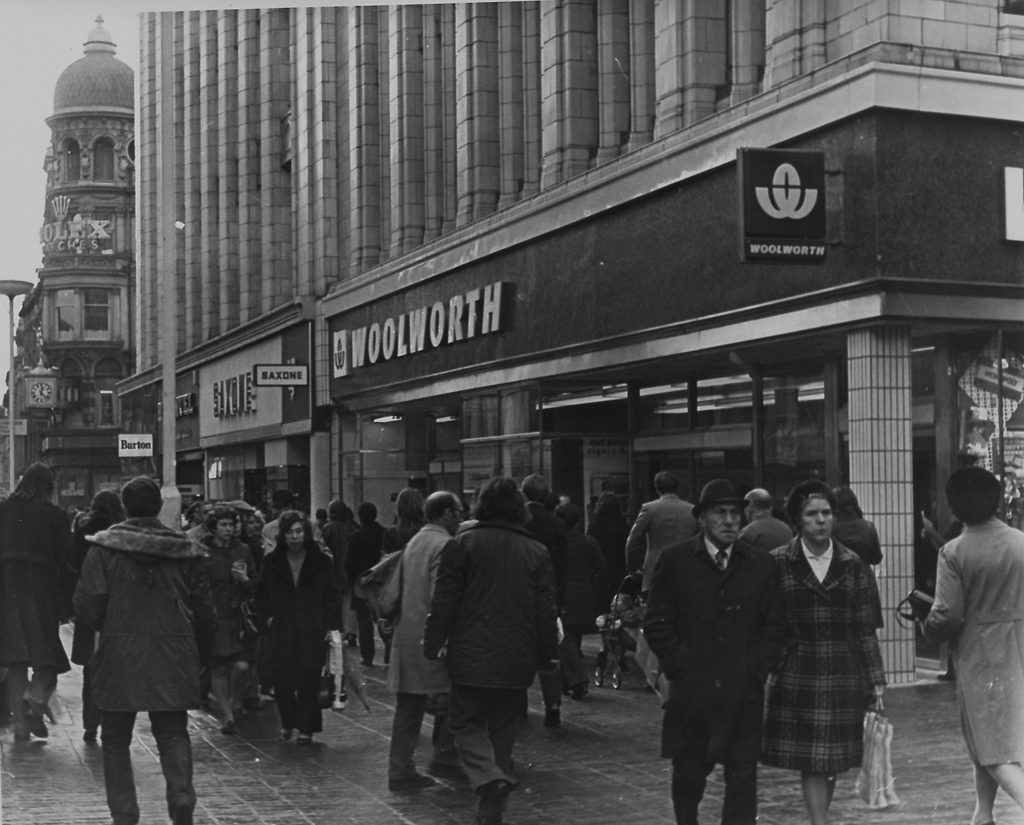
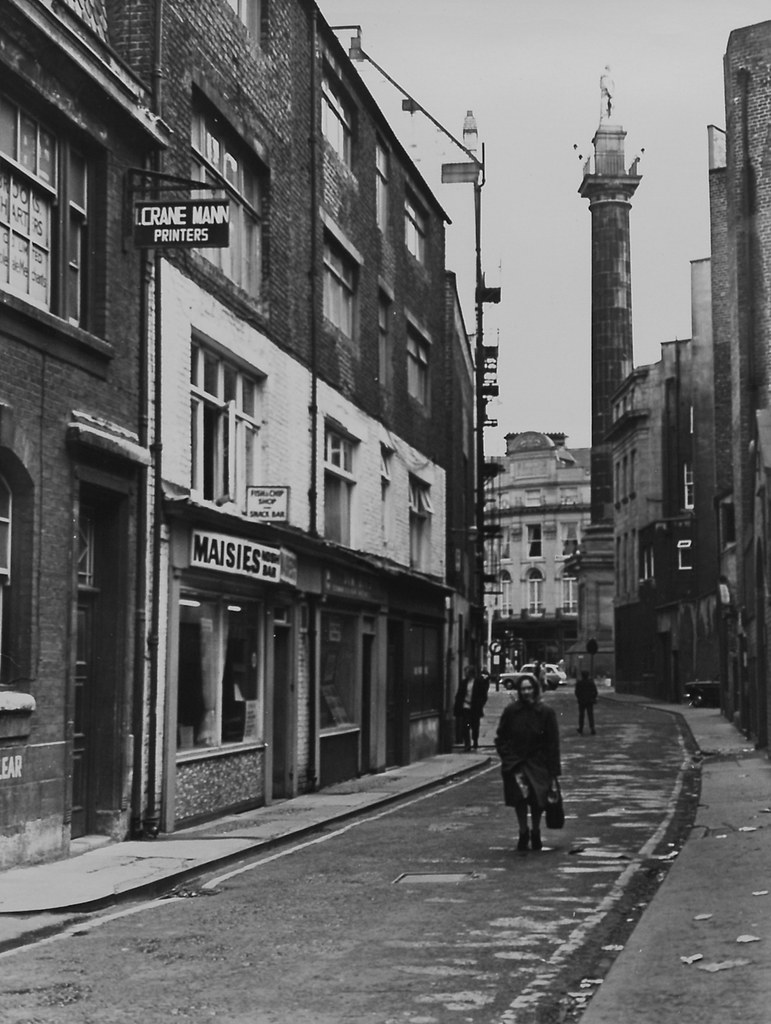
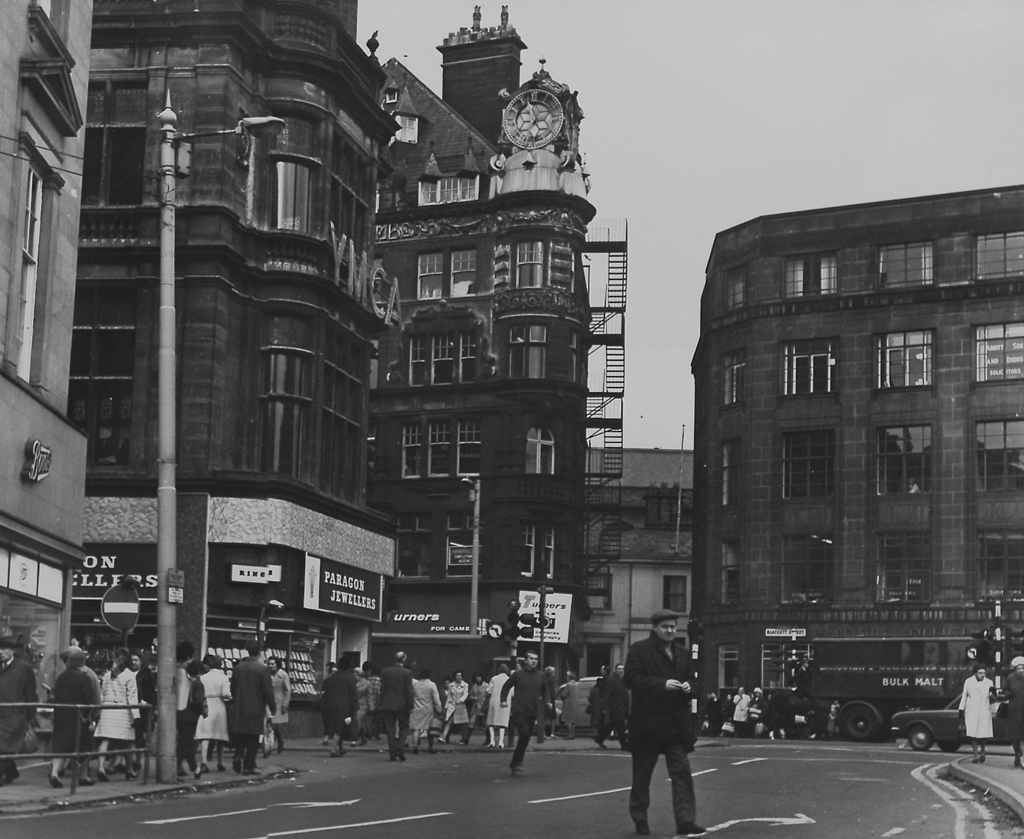
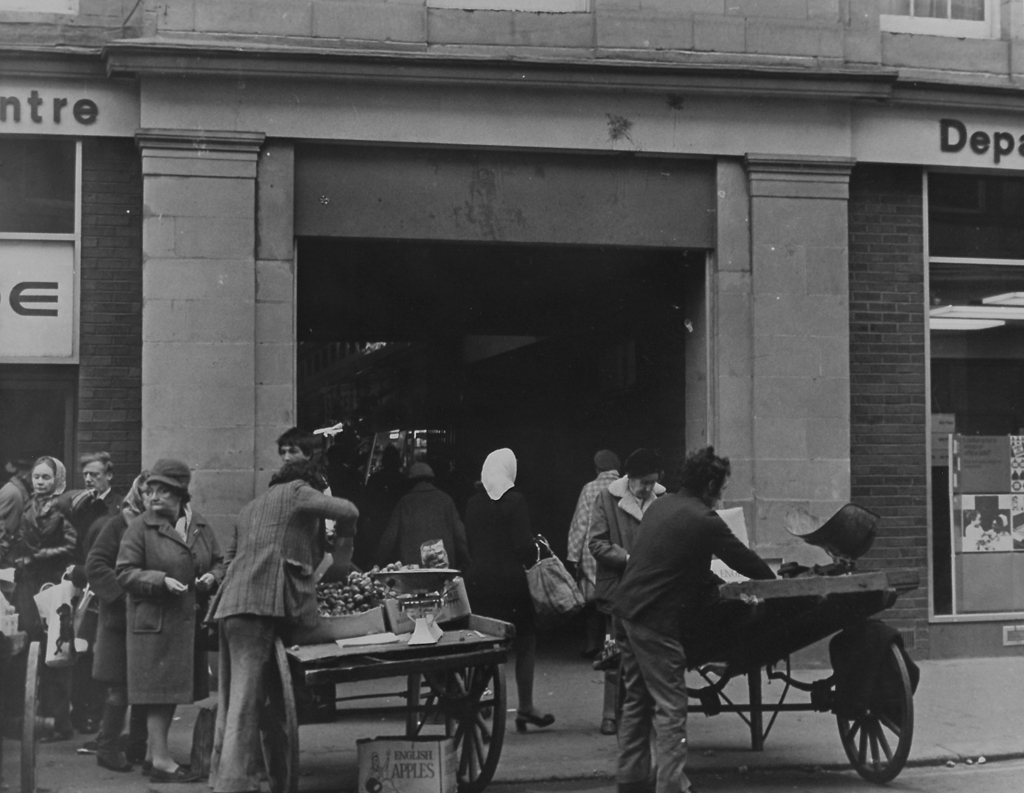
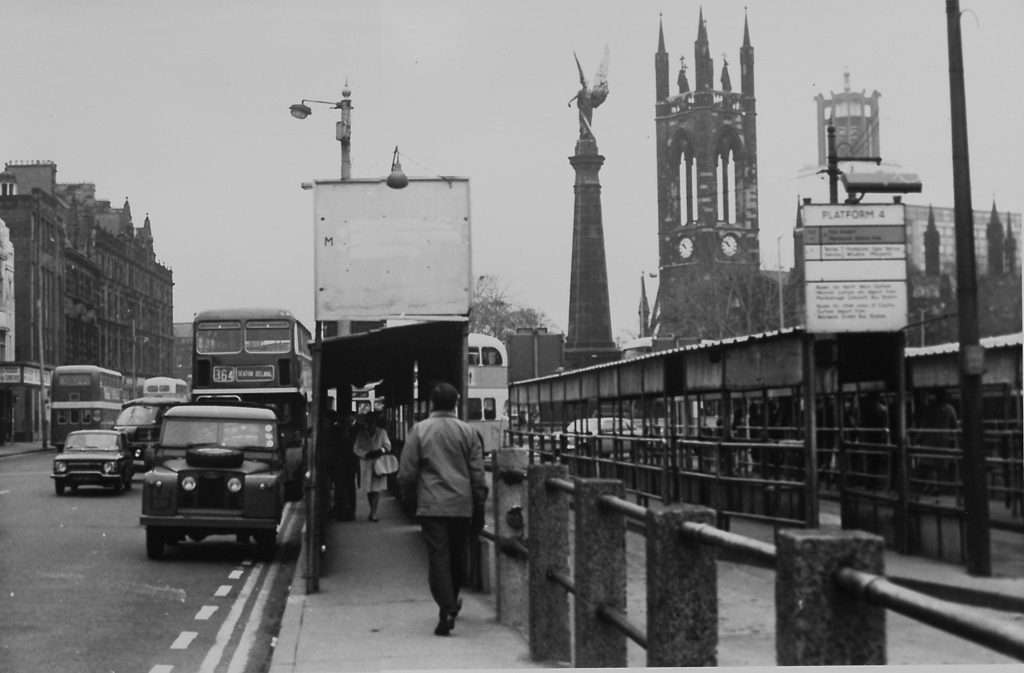
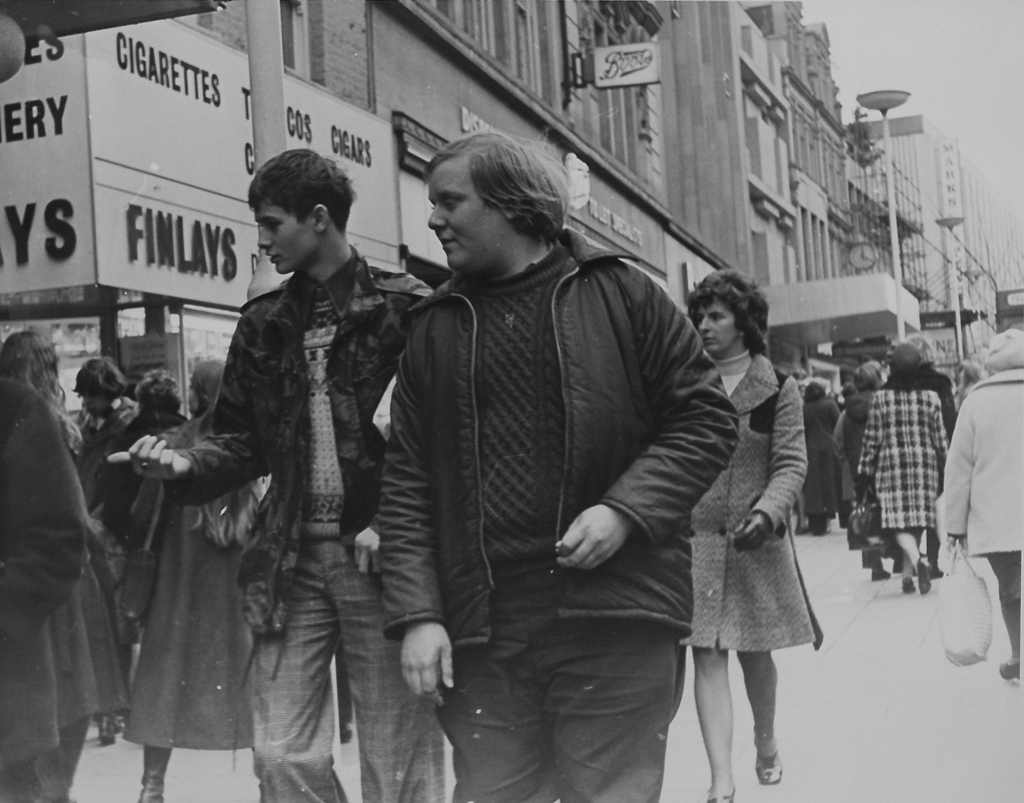
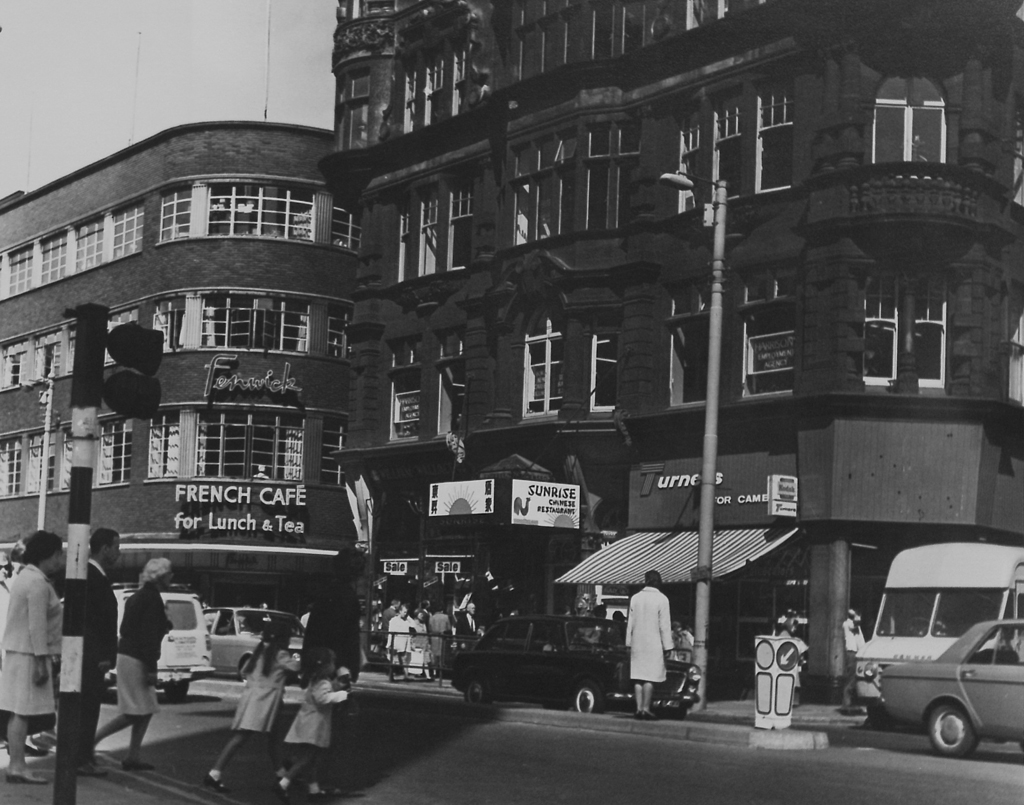
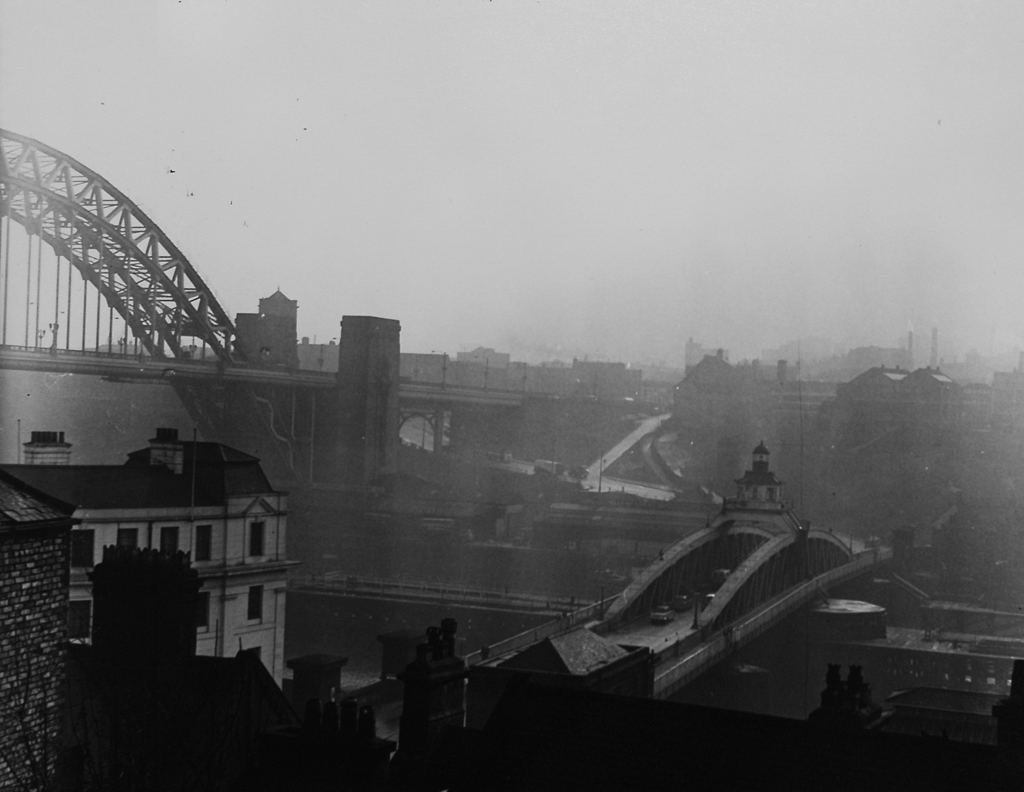
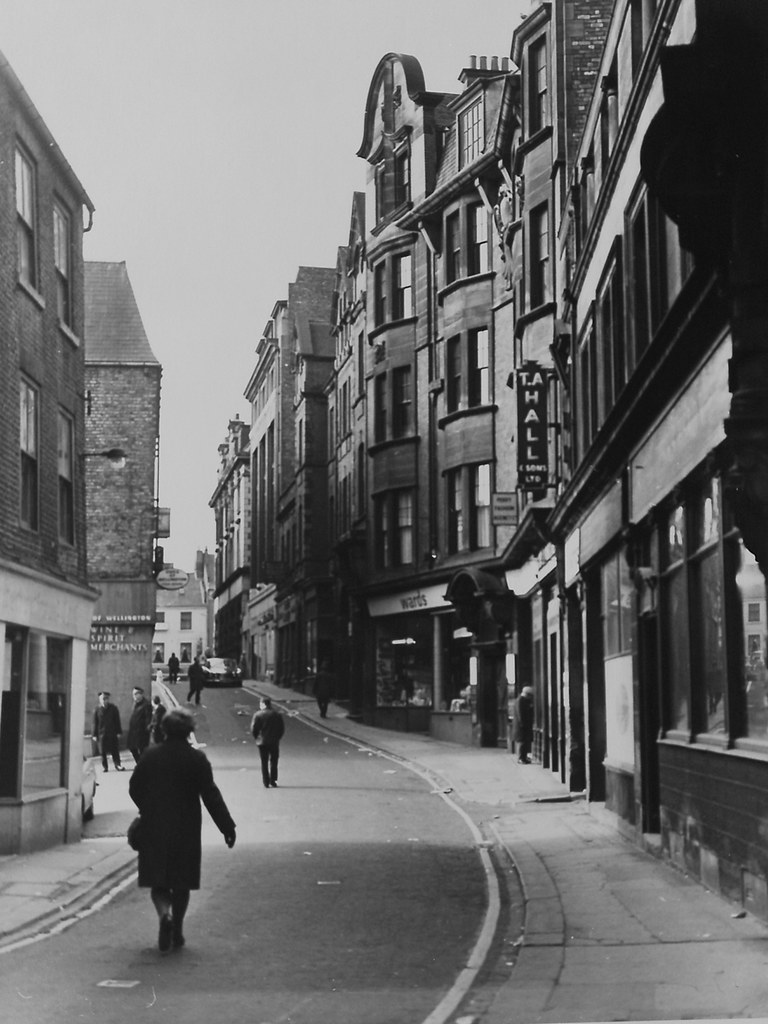
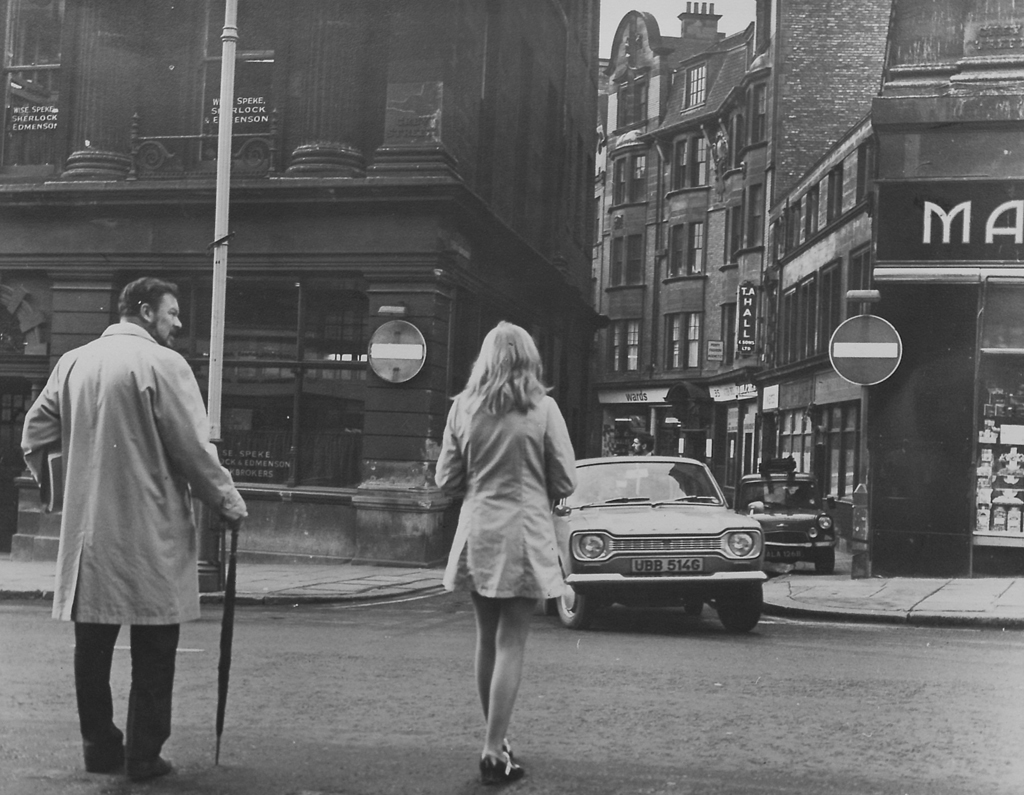
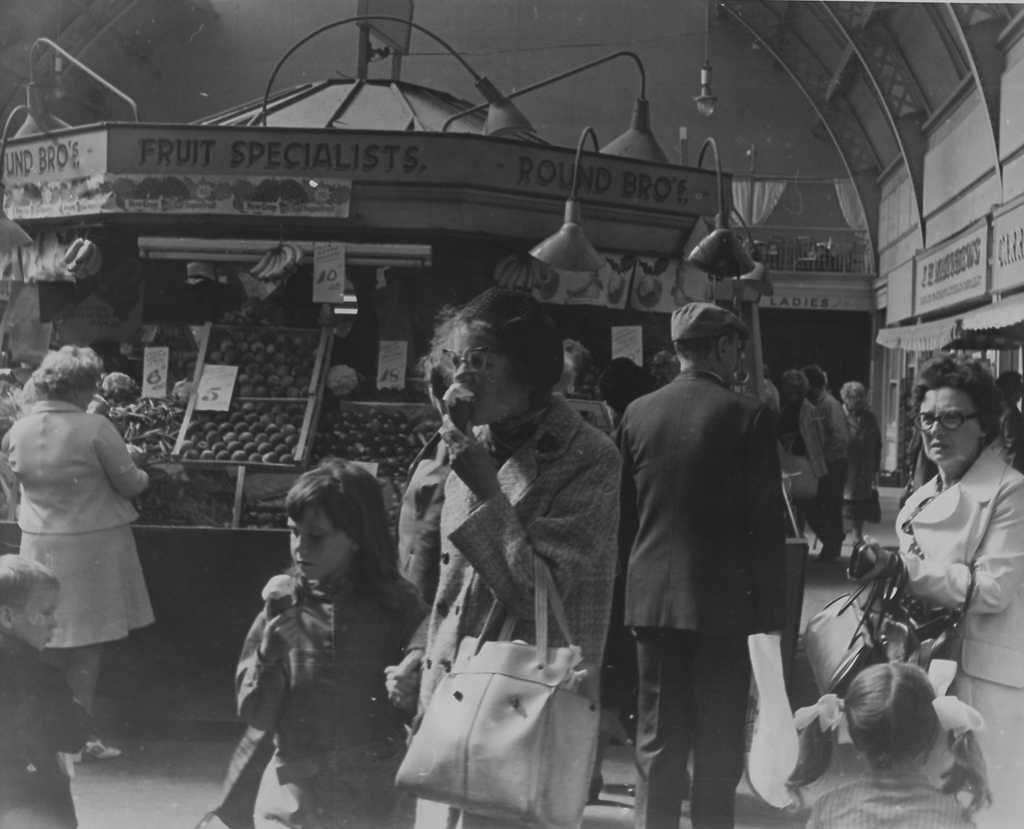
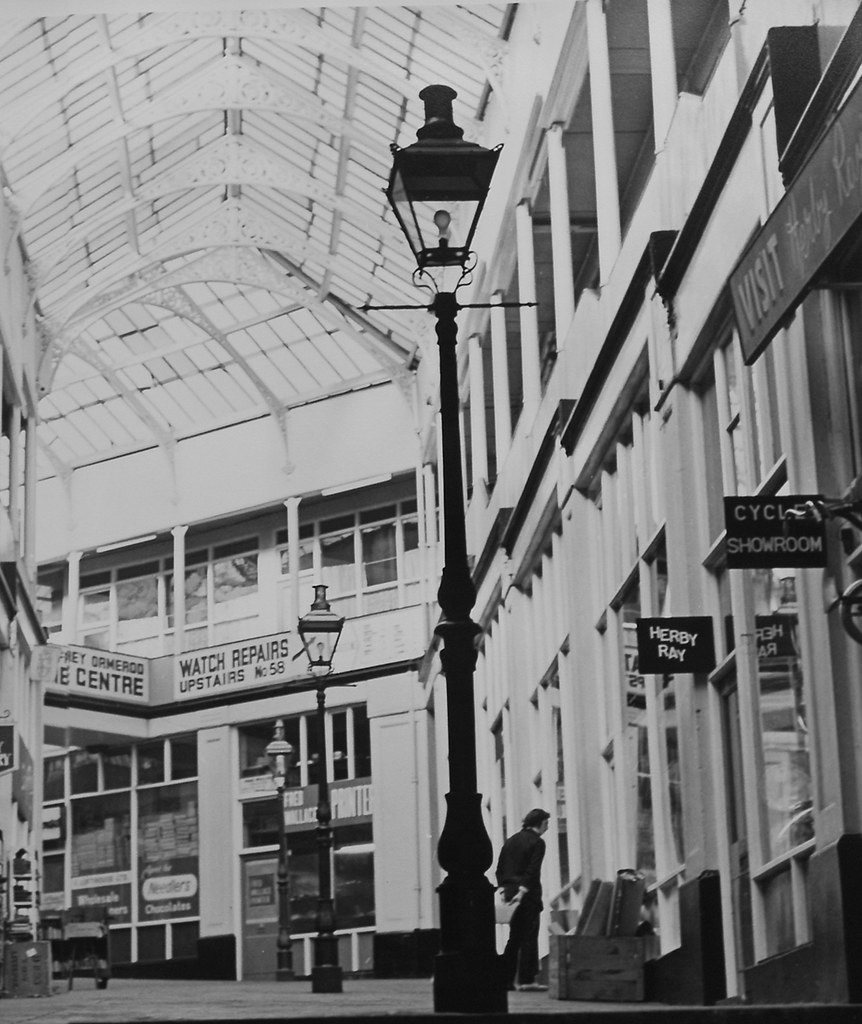
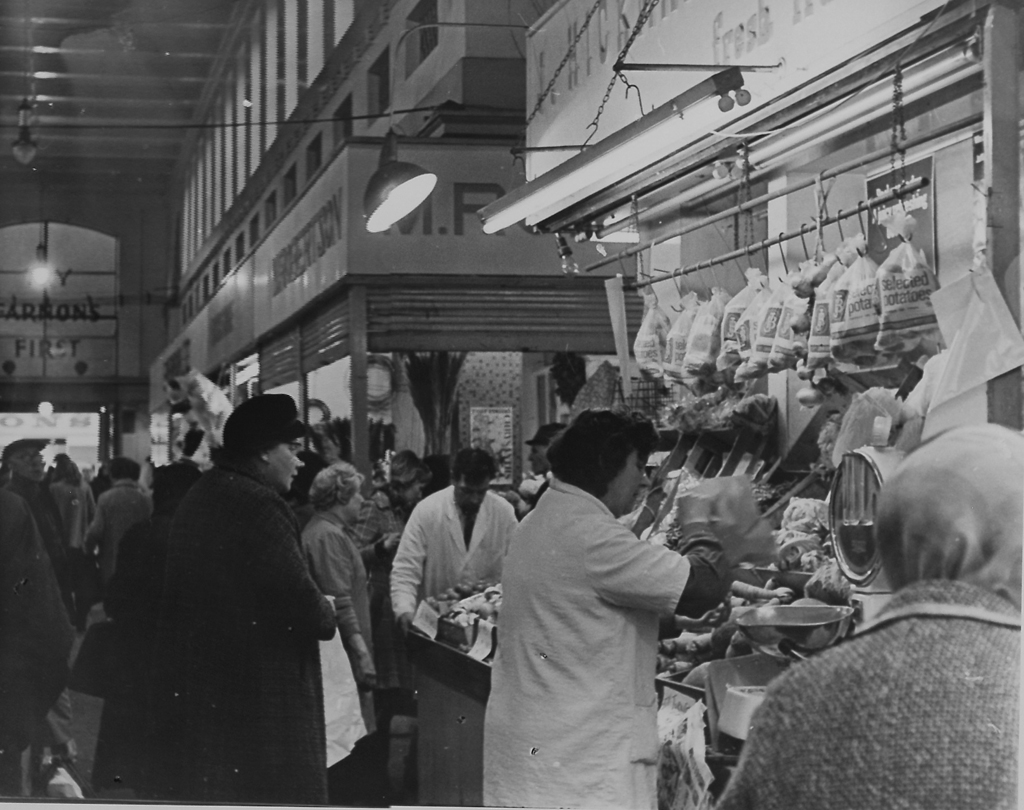
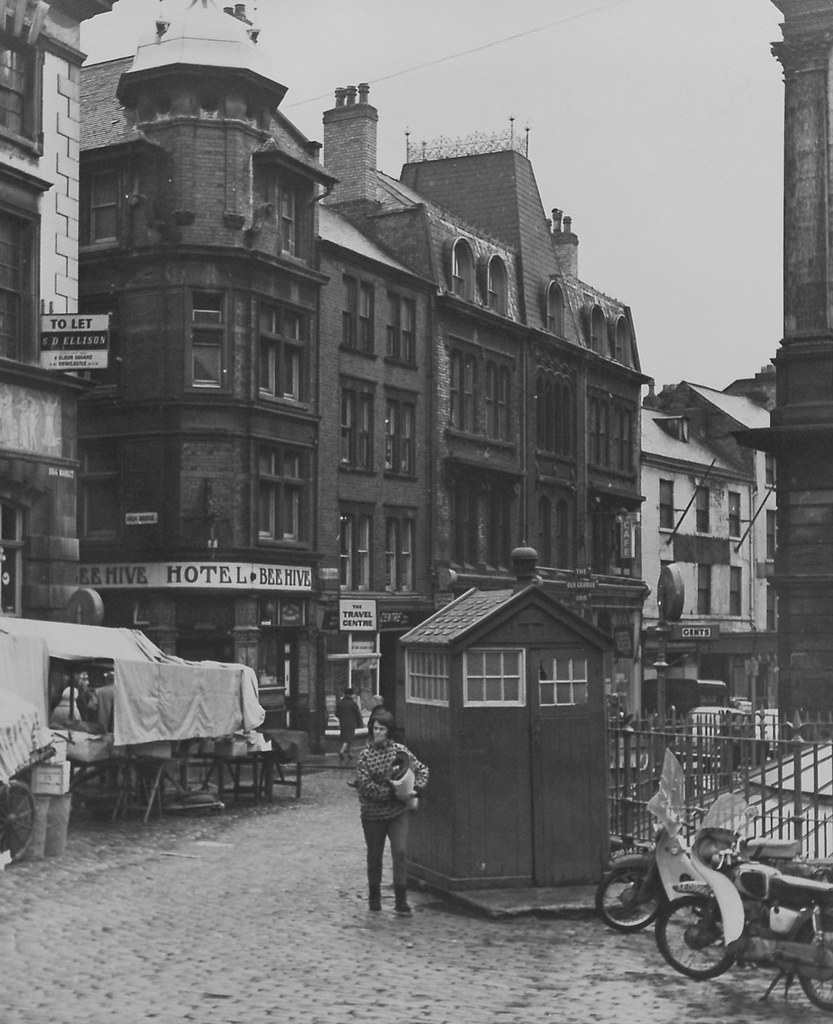
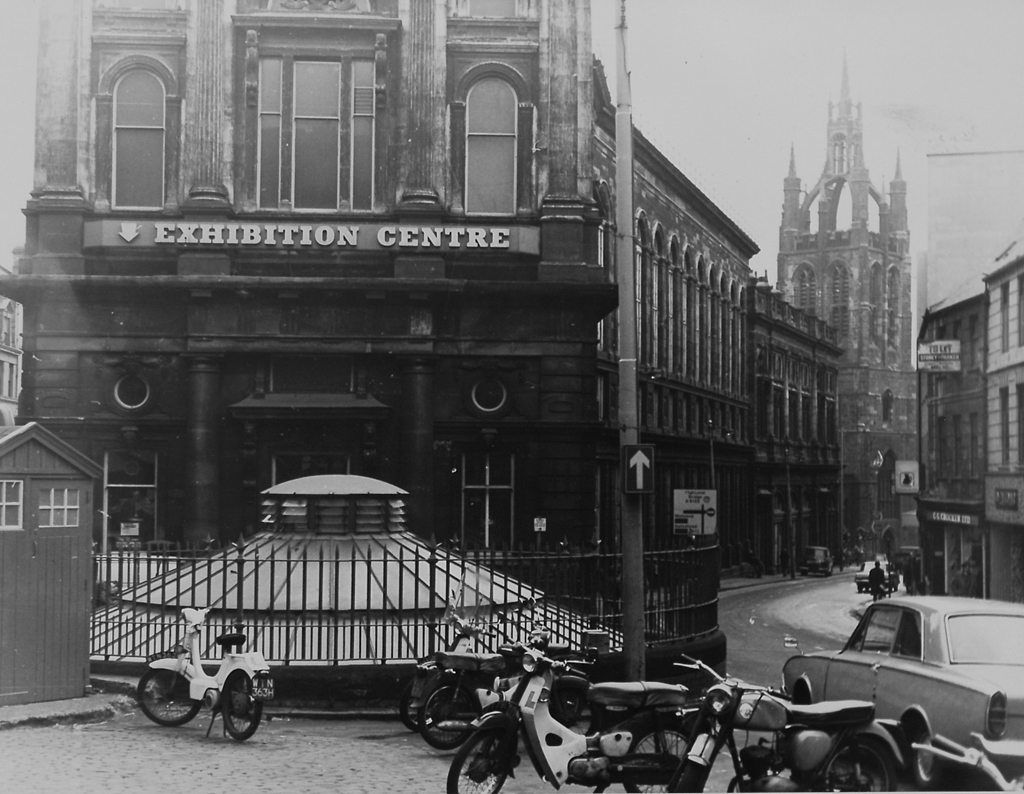
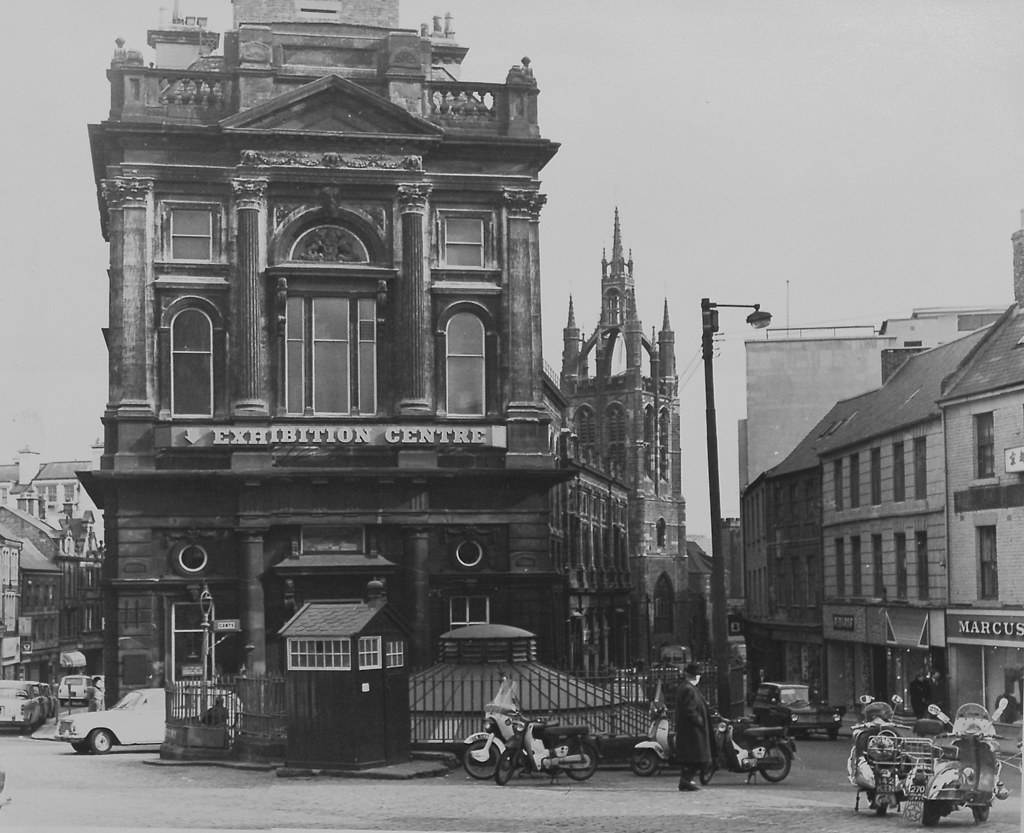
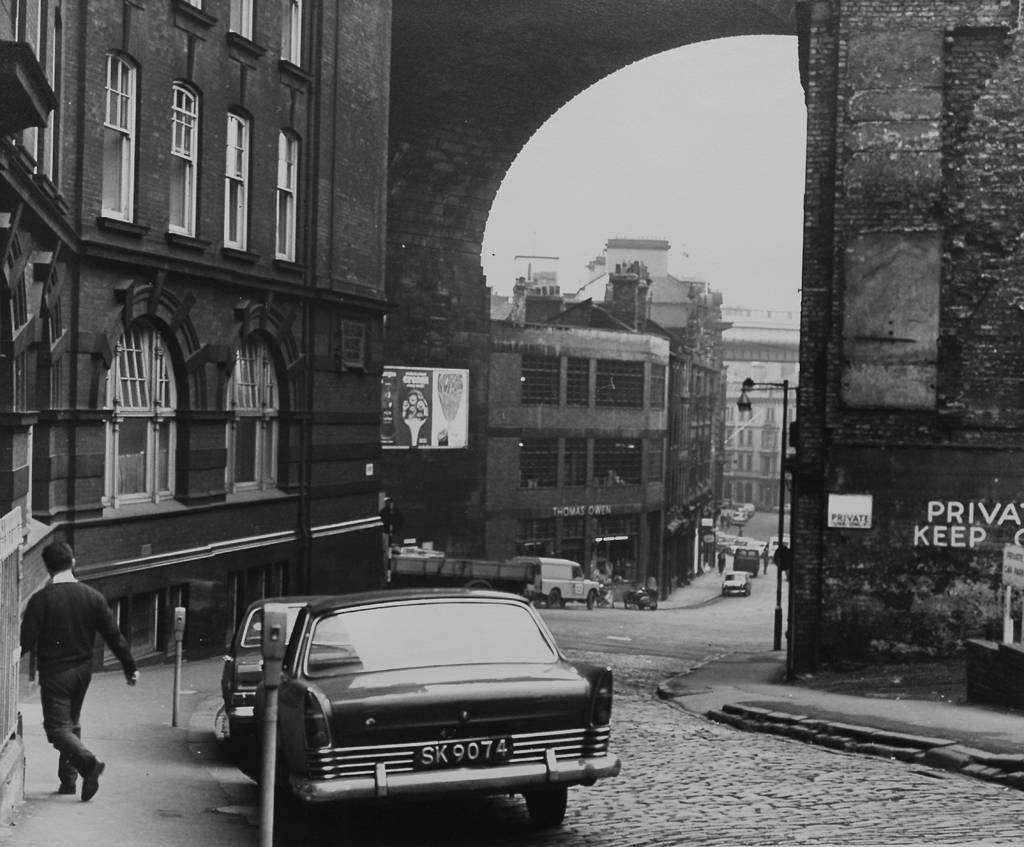
Laszlo Torday (originally Tordai), who emigrated from Hungary to Tynemouth in 1940, was a chemical engineer and industrialist who took thousands of photographs of the centre of Newcastle and the suburbs of High Heaton,  Heaton, Byker and Jesmond in the 1960s and 1970s. His images have been bought and digitised by Newcastle City Libraries and are avilable here: www.flickr.com/newcastlelibraries

He is the father, I believe, of Paul Torday, the late novelist known particularly for Salmon Fishing in the Yemen.

Image result for Laszlo Torday newcastle photographs
Bigg Market and old town hall. Remember the zoo?

Image result for Laszlo Torday newcastle photographs
High Bridge, 1970

Image result for Laszlo Torday newcastle photographs
The Side

Image result for Laszlo Torday newcastle photographs
Northumberland Street

Image result for Laszlo Torday newcastle photographs
High Friar Street

Image result for Laszlo Torday newcastle photographs
Blackett Street

Image result for Laszlo Torday newcastle photographs
Nelson Street

Image result for Laszlo Torday newcastle photographs
Haymarket

Image result for Laszlo Torday newcastle photographs
Northumberland Street

Image result for Laszlo Torday newcastle photographs
Fenwick's, Blackett Street

Image result for Laszlo Torday newcastle photographs
Swing Bridge

Image result for Laszlo Torday newcastle photographs
High Bridge

Related image
Grey Street/High Bridge

Image result for Laszlo Torday newcastle photographs
Grainger Marker

Image result for Laszlo Torday newcastle photographs
Handyside Arcade

Image result for Laszlo Torday newcastle photographs
Grainger Market

Image result for Laszlo Torday newcastle photographs
Bigg Market

Related image
Groat Market

Friday, 13 January 2017

Thursday, 12 January 2017

Last night's set lists

Our host kicking off the show with one of his excellent songs, as seen from the bar

At The Habit, York: -

Set 1: -
Albuquerque
One Of These Days

Set 2: -
I Don't Want To Talk About It

There was no Elderly Brothers set this week as Ron was away. There was a much better showing than last week with more players and punters in attendance. Some outstanding guitar playing from a couple of lasses and some fine open-tuned country blues from a guy I hadn't seen before. It was 2 songs each and then again with whoever was still around for one more. The after-show acoustic sing-song became a request spot for all manner of tunes inc. The Beatles, Pink Floyd, Andrew Gold and of course Neil Young.


Tuesday, 10 January 2017

Peter Sarstedt RIP

Image result for peter sarstedt
Peter Sarstedt obituary
Singer-songwriter who topped the charts in 1969 with Where Do You Go to (My Lovely)

Dave Laing
The Guardian
Monday 9 January 2017

For many weeks in the spring and summer of 1969, the names of Zizi Jeanmaire, the Aga Khan and Juan-les-Pins reverberated mellifluously around the British and international pop scene. They appeared in the lyrics of the chart-topping Where Do You Go to (My Lovely), written and sung by Peter Sarstedt, who has died aged 75.

Composed in waltz time, bookended by generic French-flavoured accordion phrases and with echoes of francophone chansonniers such as Georges Brassens and Jacques Brel, the song told the story of one Marie Claire, who had risen from the “back streets of Naples” to join the Mediterranean jet set. When the similarity of this back-story to that of Sophia Loren was pointed out, Sarstedt was quick to state: “I really wasn’t thinking of anyone specific.”

He was born in Delhi, one of six children of English expatriates, Albert and Coral Sarstedt. Albert was an accountant who managed a tea plantation in the Darjeeling region of West Bengal. Following his death in 1954, the family moved to south London.

The Sarstedts were a musical family and Peter, his older brother, Richard, and younger siblings, Clive and Lorraine, all learned the guitar. This was the era of skiffle, and the three brothers joined a group, the Fabulous Five. They played at church halls and coffee bars around the Croydon area before metamorphosing into a beat group, the Saints, with Richard Sarstedt as the featured singer. He was offered a recording contract in 1960, and after a change of name to Eden Kane, scored a No 1 hit with Well I Ask You the following year.

Peter played bass guitar in Eden Kane’s backing group until, in 1965, his brother decided to move to Australia. Peter emigrated briefly to Copenhagen, where he began to write songs in a contemporary folk vein. Returning to London, he began a recording career as Peter Lincoln before reverting to his real name. In 1968 he signed to the United Artists label, but his first single, I Am a Cathedral, was unsuccessful.


He next came up with Where Do You Go to (My Lovely). Sarstedt later explained that he was following a trend for meaningful songs of more than three minutes’ duration: “I wanted to write a long extended piece because I was working in folk clubs and universities.”

When Sarstedt and the producer Ray Singer presented the record company with the completed track, the response was unpromising: the song was too long, it featured only three instruments, including an accordion, and no drums. Eventually, United Artists relented after cutting one verse which included the line “your body is firm and inviting”. Within a few weeks of its release, Where Do You Go to (My Lovely) had topped the charts and Sarstedt’s bushy hair and Zapata moustache were regularly featured on Top of the Pops.

The song stayed at No 1 for four weeks before making way for Marvin Gaye’s I Heard It Through the Grapevine. Where Do You Go to (My Lovely) went on to top the charts throughout most of Europe as well as Australia and Japan, but its cosmopolitanism failed to excite record buyers in the US, where it sold poorly.

Although it won the Ivor Novello award for best song of 1969 (shared with Space Oddity by David Bowie), Where Do You Go to (My Lovely) divided listeners at the time and has done ever since, with some finding it pretentious, if not preposterous. It inspired parodies by Roger McGough, John Otway and the Flight of the Conchords. On the other hand, the director Wes Anderson included it on the soundtrack of two films, Hotel Chevalier (2007) and The Darjeeling Limited (2012), and the British group Right Said Fred, made a comparatively respectful cover version in 2006. Sarstedt composed a follow up for his 1997 album England’s Lane. The Last of the Breed (Lovely 2) described Marie Claire 20 years on and living in a London of Claridge’s, Harrods and John Galliano.

The follow-up single, Frozen Orange Juice, was a Top 10 hit later in 1969, but further records were not commercially successful, although Sarstedt’s compositions continued to find admirers: one reviewer described the song Beirut as “an entire novel of Eric Ambler complexities in three minutes”.

From the 1970s until his retirement in 2010 when he was diagnosed with the progressive supranuclear palsy that led to his death, Sarstedt recorded more than a dozen albums and performed frequently. Among the albums was a 1973 collaboration with his brothers, Worlds Apart Together. Using the name Robin Sarstedt, his younger brother Clive had his own hit record with My Resistance Is Low in 1976, making the Sarstedts the first family with three siblings to achieve separate chart success. For some years, Peter Sarstedt was a mainstay of the Solid Silver 60s touring show alongside other veterans of the era.

Sarstedt was twice married and had two children, Anna and Daniel.

• Peter Eardley Sarstedt, singer and songwriter, born 10 December 1941; died 8 January 2017

https://www.theguardian.com/music/2017/jan/09/peter-sarstedt-obituary

Monday, 9 January 2017

J. D. Salinger and his fans...


Hey Mr Salinger

For a year in 1996, Joanna Smith Rakoff was in charge of answering JD Salinger's fanmail. Salinger was famously reclusive, wanting nothing to do with his fans and Rakoff was supposed to send out a standard letter. But as she read the letters she found herself pulled into their lives, and secretly, surreptitiously she started answering them.

In this confessional documentary Joanna rediscovers the letters she answered and meets the people who wrote them. She introduces us to the teenager struggling at school, told by her teacher she would get an A for English if she received a reply from Salinger. We hear about the Japanese girl who wrote two letters, one in Japanese and one in English because she thought that Salinger was so smart he would probably know Japanese. Joanna remembers the woman whose daughter loved the short story 'A Perfect Day For Bananafish'. When her daughter died young, her mother wanted to set up a literary magazine and asked if she could call it 'Bananafish'. As Joanna says "if at first I found [them] weird, after a few months I found [them] - well, still weird, but also many other things: sad, sweet, stupid, hopeful, obsessive."

Until she worked at Ober, Rakoff was not a fan of Salinger's, but through reading his correspondence she saw what an incredible connection he made with his readers. She found herself reading Catcher in the Rye and Franny and Zooey with new eyes, seeing it as not the cutesy fiction she remembered, but as something more honest and troubled. It helped her move from being an uptight critic to becoming a writer.

And once, during one of his rare visits to New York, she even met the great man himself. We hear how tempted she was to give him one of the most touching and personal letters she ever received and why she decided not to

Producer: James Crawford
A Loftus production for BBC Radio 4.

Saturday, 7 January 2017

Wednesday night's set lists

At The Habit, York: -

Ron Elderly: -
Sweet Virginia
Help Me Make It Through The Night


Da Elderly: -
Love Song
Are You Ready For The Country?


The Elderly Brothers: -
Crying In The Rain
Love Is All Around
Never Be Anyone Else But You
Walk Right Back
Love Hurts
The Sound Of Silence
I Saw Her Standing There


A quiet return to The Habit, no doubt resulting from the past 2 weeks' revelry overload. Faces new and old appeared at the mic and there were some fine performances. Although the bar was never full, a splendid time was had by all and the fun continued until chucking-out time.

Friday, 6 January 2017

Dead Poets Society #22 Edgar Allan Poe: The Conqueror Worm

Image result for edgar allen poe


The Conqueror Worm by Edgar Allan Poe

Lo! ’t is a gala night
Within the lonesome latter years!
An angel throng, bewinged, bedight
In veils, and drowned in tears,
Sit in a theatre, to see
A play of hopes and fears,
While the orchestra breathes fitfully
The music of the spheres.

Mimes, in the form of God on high,
Mutter and mumble low,
And hither and thither fly—
Mere puppets they, who come and go
At bidding of vast formless things
That shift the scenery to and fro,
Flapping from out their Condor wings
Invisible Wo!

That motley drama—oh, be sure
It shall not be forgot!
With its Phantom chased for evermore
By a crowd that seize it not,
Through a circle that ever returneth in
To the self-same spot,
And much of Madness, and more of Sin,
And Horror the soul of the plot.

But see, amid the mimic rout,
A crawling shape intrude!
A blood-red thing that writhes from out
The scenic solitude!
It writhes!—it writhes!—with mortal pangs
The mimes become its food,
And seraphs sob at vermin fangs
In human gore imbued.

Out—out are the lights—out all!
And, over each quivering form,
The curtain, a funeral pall,
Comes down with the rush of a storm,
While the angels, all pallid and wan,
Uprising, unveiling, affirm
That the play is the tragedy, “Man,”
And its hero, the Conqueror Worm.

Tuesday, 3 January 2017

William Christopher RIP

Image result for william christopher mash
M*A*S*H star William Christopher dies

BBC
1 January 2017

William Christopher, who played kind-hearted priest Father Mulcahy in the TV series M*A*S*H, has died at 84.

The actor, who was diagnosed with cancer 18 months ago, died at home in Pasadena, California, on Saturday.

He appeared in all 11 seasons of M*A*S*H, a bittersweet comedy about the life of a US medical unit during the 1950-53 Korean War.

The show ran from 1972-1983. Its finale drew 106 million viewers, a record at the time.

Christopher, who was born in Chicago, moved to New York to work as a theatre actor after college. He later went to California, securing several television roles.

Then in 1972 he was cast in M*A*S*H, a television series that followed a film of the same name.

M*A*S*H stands for Mobile Army Surgical Hospital, and the series centred on a unit, the M*A*S*H 4077, and the lives of the doctors and nurses who staffed it.

Christopher played the camp chaplain, a courteous and compassionate presence who counselled medical staff and patients amid the chaos of the war.

He was one of four cast members who appeared in every season of the show*. When it ended, he briefly appeared in a spin-off, After M*A*S*H, with two other cast members, as well as other television work.

Loretta Swit, who played Major Margaret "Hot Lips" Houlihan, said Christopher was perfectly cast in M*A*S*H.

"Everyone adored him,'' she said. "A great sense of humour and a great humanitarian. He became TV's quintessential padre as Father Mulcahy on M*A*S*H."


* ... though not in the pilot; there he was played by George Morgan, who continued to be seen in long shot during the titles of EVERY episode. Christopher first appeared in the third episode of the series, Requiem for a Lightweight.

George Morgan as Father Mulcahy in M*A*S*H--The Pilot
Morgan, between Loretta Swit and Wayne Rogers

Bug Out
That's George Morgan at left during the titles sequence.

Why was he not in the pilot? Here's the man himself:

"I was in an improv group at the time and we used to improvise comedy every Friday night in a little theater. So I felt very confident this role was right for me so I thought I’d just improvise instead of using the lines they-Larry Gelbart, who’s such a premiere writer, and who wrote the plot for MASH and who did so much writing on the show. He was the writer of the show I was using to read by. It never occurred to me that he might really want to hear his own words. It was a mistake. But after that first reading and I was told that was not the way to go, happily they called me back to do another. And I went back the next day and then they were much more pleased. I did it the way you were supposed to.”

http://www.mash4077tv.com/2010/05/a-salute-to-george-morgan/

Frank: "Have you ever given a lecture about temperance, Father? About the evils of drink?"

Father Mulcahy: "Uh, no. On the troop ship, I was once asked to do one about the sex thing."

Frank: "Oh, good."

Father Mulcahy:
 "Being celibate, I didn't feel qualified. They brought in a Protestant. He had a film about two sailors. One was from Cleveland ostensibly, the other a small rural area. The city boy stayed on the ship and wrote his high-school sweetheart. A lovely young girl with a megaphone on her chest."

Frank: "Father, this is a bit different."

Father Mulcahy:
 "The country boy lived in a trailer with three other young ladies and a man with a whip."

Frank: "Father?"

Father Mulcahy
: "Broke his wristwatch and everything."

His pals from MASH miss Bill powerfully. His kind strength, his grace and gentle humor weren't acted. They were Bill. - Alan Alda, 1 January 2017

Sunday, 1 January 2017