Wednesday, 15 June 2016

Tuesday, 14 June 2016
Bert Hardy: Photographs of Britain in the mid-century
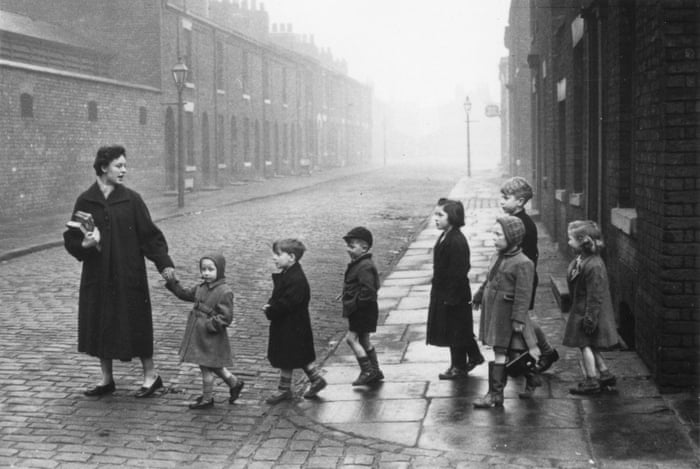
Teachers (1956)
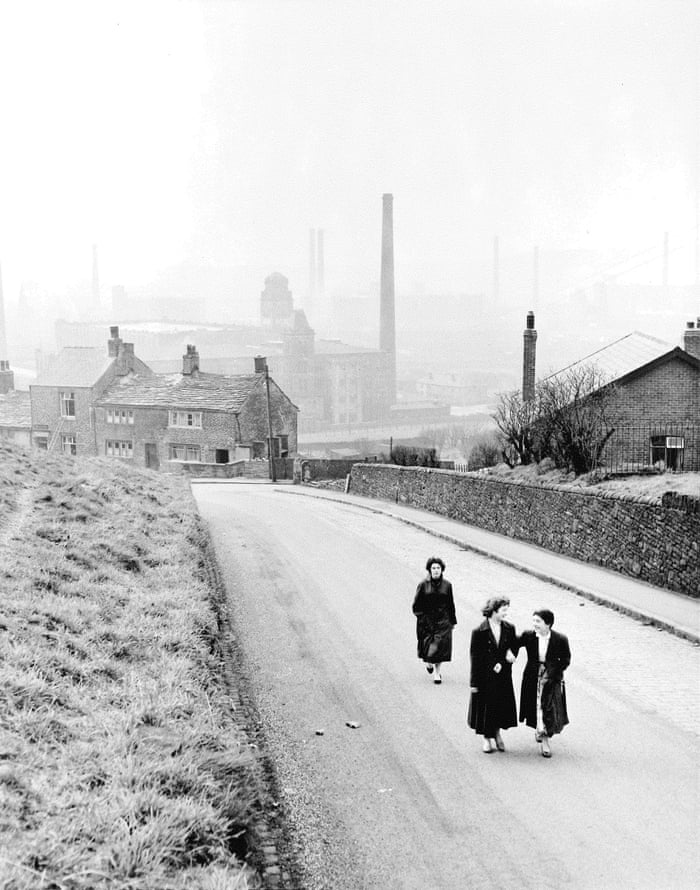
Teenagers (1957)
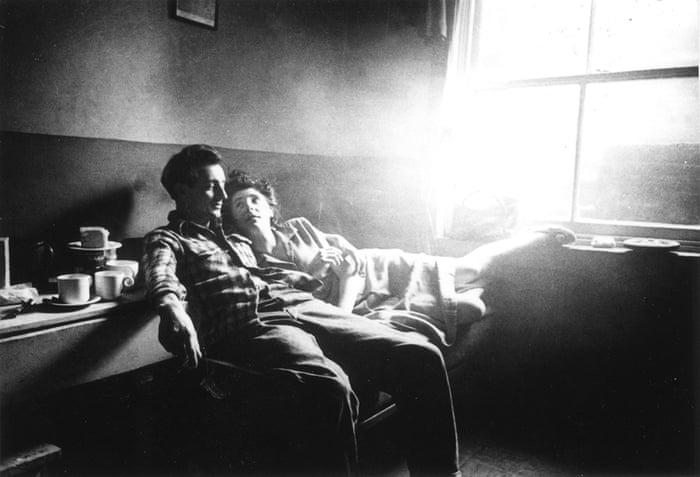
Cockney Life at the Elephant and Castle (1949)
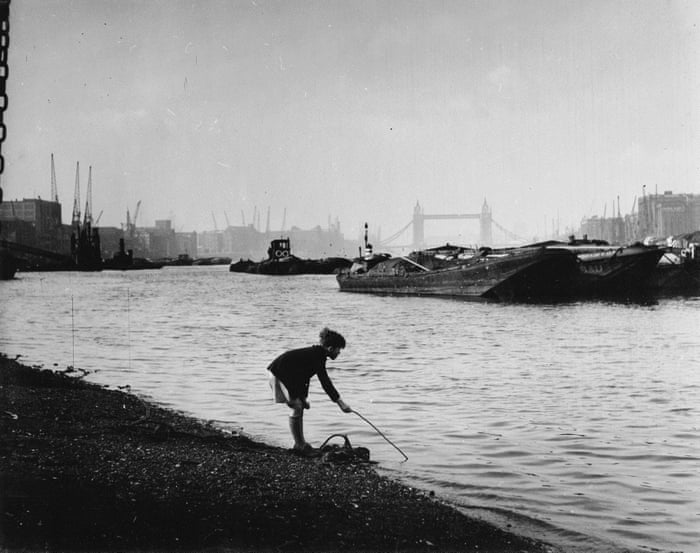
Pool of London (1949)
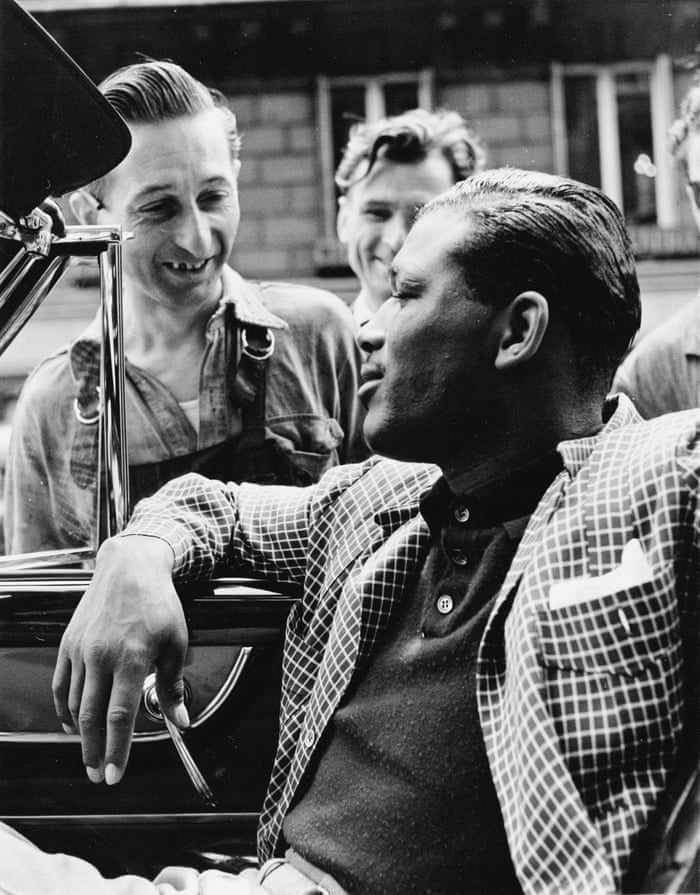
Sugar Ray Robinson (1951)
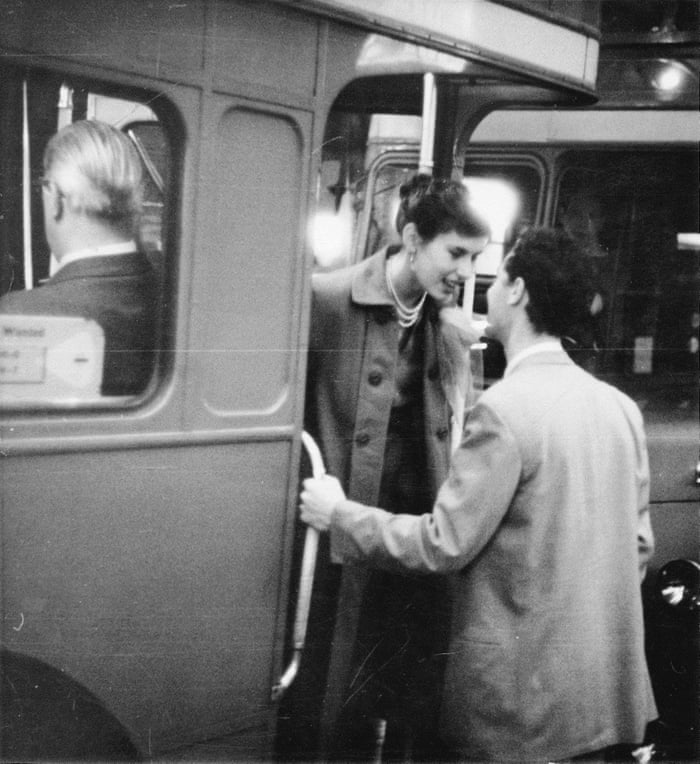
Piccadilly (1953)
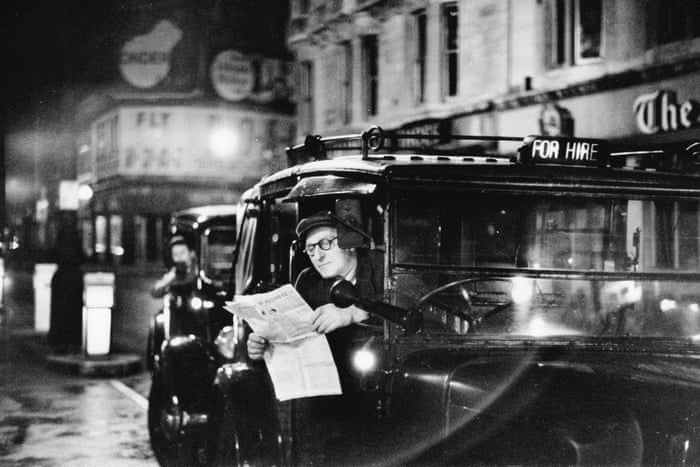
Piccadilly (1953)
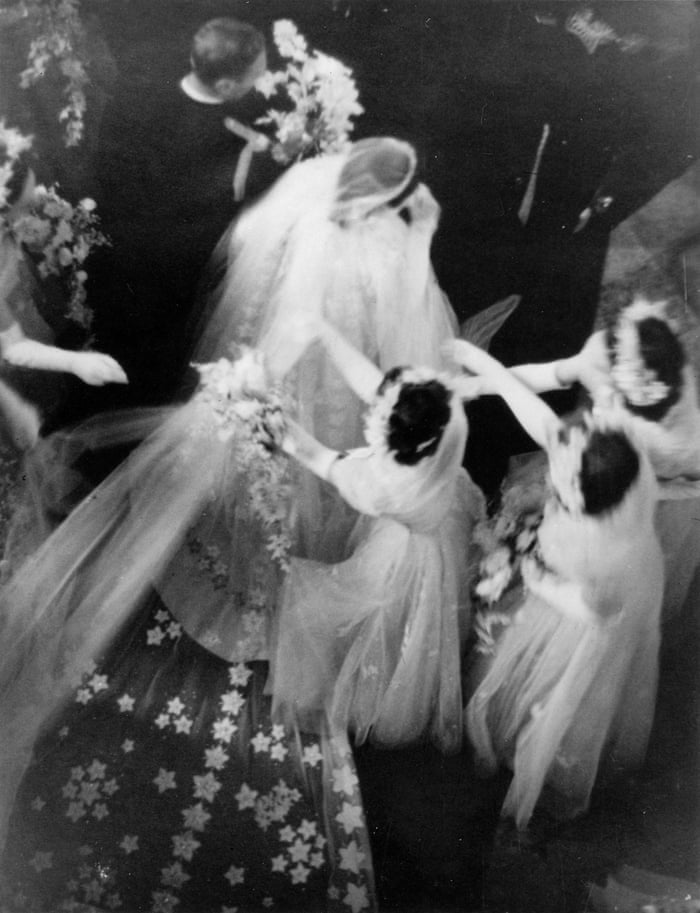
Royal Wedding (1947)
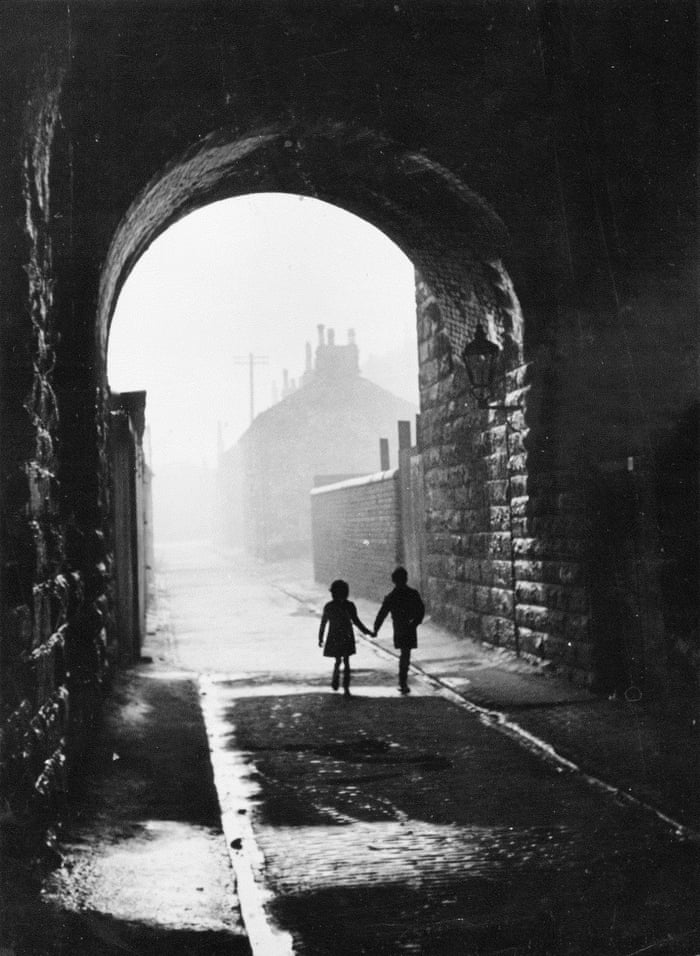
Gorbals (1948)
https://www.theguardian.com/artanddesign/gallery/2016/jun/09/never-had-it-so-good-bert-hardys-archive-of-mid-century-life-in-pictures
Monday, 13 June 2016
The Battle of the Somme and The War Film

How The Battle of the Somme sparked cinema’s obsession with war
One hundred years after the battle of the Somme and the groundbreaking film that followed, Laura Clouting explores the challenges of dramatising the fear, courage and complicated reality of going into combatLaura Clouting
Friday 10 June 2016
In a few weeks’ time, 100 years will have passed since the first day of the battle of the Somme. Tens of thousands of soldiers went “over the top” at 7.30am on 1 July 1916. The moment looms large in the collective national memory – nearly 20,000 British soldiers died that day, just the first of the “big push” that continued into the winter months.
The ferocious offensive drew on Britain’s imperial forces, and was the bloody debut of civilian volunteers who had flooded recruitment halls in 1914. Among them were two individuals who weren’t there to fight, yet were profoundly influential in shaping our vision of the conflict. Cameramen Geoffrey Malins and John McDowell were in France to record the footage that went on to become the cinematic sensation The Battle of the Somme, the film that sparked cinema’s obsession with war. Now, a new exhibition at the Imperial War Museum in London explores the inspiration behind some of the best-known war movies, the craft of reconstructing the extreme environments in which fighting occurs, and why audiences remain enthralled by the genre; from the desert epic Lawrence of Arabia to Apocalypse Now’s jungle insanity in Vietnam.

At the turn of the 20th century, short films were a fairground novelty. Their popularity lead to purpose-built cinemas, but they remained largely the preserve of the working class. With the onset of war, what had seemed faddish gained traction. Craving news from the fronts, British audiences flocked to the cinema for a sense of immediacy that no newspaper report, photograph, or illustration could rival. The cinema acquired a degree of legitimacy and across the social spectrum people welcomed the narrative-driven perspective that film offered.
The Battle of the Somme was, in some ways, a surprise to both its makers and its audience. When Malins was dispatched to the western front in November 1915, he was charged with shooting footage for use in short newsreels. Neither the War Office nor Malins’s cinema trade employers expected a feature film. In late June 1916 Malins was joined by his assistant McDowell, and together they turned their cameras towards the British army gearing up for, and then launching, the largest battle it had ever fought. When their reels arrived in London, the decision was made to present the silent footage as a feature film, often accompanied by an unexpectedly jaunty score played by musicians in cinemas.
The finished film had an extraordinary impact. When it was released in August 1916, audiences were stunned by the feeling that they had witnessed the battle for themselves. It begins with the buildup. Mountains of munitions and thousands of men deluge the frontline in readiness. German defences are smashed by British guns. Yet to give these real scenes a coherent narrative, the film needed climactic images of men going over the top. Loaded down with cumbersome equipment, the cameramen were unable to capture this crucial moment and resorted to fakery. They staged troops leaping over their trench parapet and stepping through barbed wire before disappearing into a smokescreen. These shots had a tremendous impact in the cinema, with audiences cheering the men. There are reports of a woman crying out “Oh God, they’re dead!” at the “deaths” played out for the camera alongside unflinching real shots of the dead and wounded.
However, look closely and the staged shot gives itself away. Some scenes are believed to have been filmed at a school near St Pol, over 25 miles away, about a month later. In this footage men go into action unencumbered by the weighty packs that real soldiers had to shoulder. With just a rifle in his hand, one man drops “dead” in front of barbed wire – and proceeds to cross his legs to get more comfortable on the ground. Most telling is the camera position. Had Malins or McDowell really been filming from this angle they would have been in considerable danger from German fire. But the audience had no reason to doubt the authenticity of the footage. The Battle of the Somme’s imagery has come to represent the conflict as a whole, and paved the way for what we might think of as a “war film” – a fictional reconstruction of a real event. The tension between dramatic effect and recording the “reality” of war has troubled film-makers ever since, in both feature film and documentaries.

In 1942, the film-making duo Michael Powell and Emeric Pressburger made One of Our Aircraft is Missing, a story of a British bomber crew shot down over the Netherlands. Following a screening in March 1942, an excited Powell telegraphed Pressburger: “After Glasgow showing no doubt whatever that picture has most extraordinary effect on audiences creating lasting impression of truth and reality.” What does it mean to capture truth and reality, and why do war films, perhaps more than most other genres, often claim to tell “the real story”?

In 1946 Brian Desmond Hurst directed Theirs Is the Glory, a film recounting the British army’s bloody and unsuccessful airborne assault on the Dutch town of Arnhem in 1944. During the battle, Major Richard Lonsdale of 3rd Battalion, Parachute Regiment, delivered a rousing speech to his men at a battered church. For the film, Lonsdale appeared as himself, delivering the same speech, at the same church, to hundreds of soldiers who had also fought at Arnhem. This time his severe wounds were merely costume and makeup, but the effect is striking.Theirs Is the Glory made extensive use of battle footage taken by parachute-trained cameramen of the Army Film and Photographic Unit (AFPU), and blurred the line between reality and reconstruction.
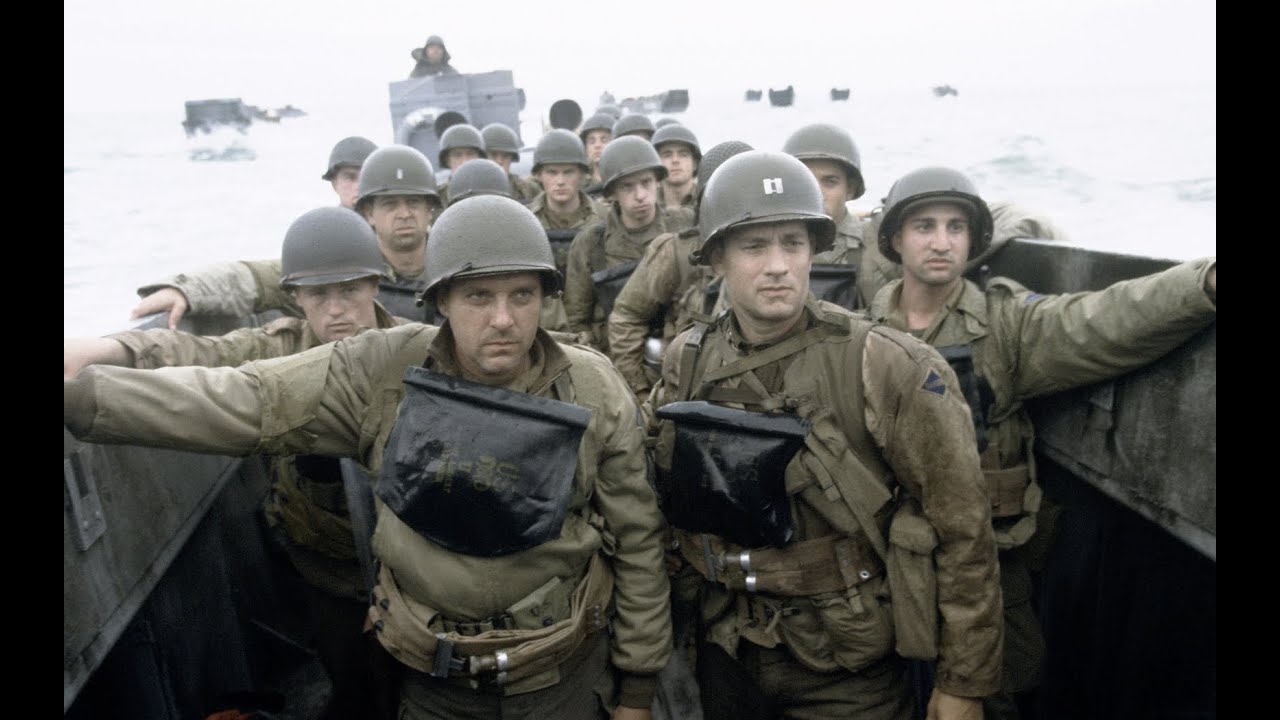
The AFPU captured scenes on British fighting fronts throughout the second world war, and comparisons can be made with fictional depictions of the same episodes. IWM’s film historian and archivist Dr Toby Haggith has watched both AFPU’s footage of the D-day landings and the scenes from Steven Spielberg’s 1998 Saving Private Ryan. Intriguingly, he has noted that while Spielberg shows us soldiers trembling with nervous anticipation, the real soldiers filmed aboard their landing craft struck confident, even heroic poses, refusing to allow themselves to appear scared. Interpreting this as a kind of dramatic performance, Haggith asked: “If real soldiers act in front of the camera, how should actors portray reality?” In other films professional actors brought additional ambiguity because they had once been soldiers, sailors or airmen themselves. When Richard Todd, a paratroop officer on D-day, was cast in The Longest Day (1962), he found himself playing Major Howard of the glider-borne “Ox and Bucks” light infantry, someone he had met during the real invasion.

Todd was one of a generation of British actors who became household names for their roles in a stream of 50s war films. John Mills, Kenneth More and Jack Hawkins, in films such as The Cruel Sea (1953), Reach for the Sky (1956), Ice Cold in Alex (1958) and The Bridge on the River Kwai (1957), embodied ideals of leadership and courage – and a dash of eccentricity. The heroics of female agents Odette Sansom and Violette Szabo were depicted by Anna Neagle in Odette (1950) and Virginia McKenna in Carve Her Name With Pride (1958).

Of this generation of films, it is perhaps Michael Anderson’s The Dam Busters (1955) that is best remembered, both for Todd’s portrayal of bomber pilot Guy Gibson and its rousing, martial theme by composer Eric Coates. The power of music to manipulate an audience often transcended a film’s subject matter. “The Dam Busters March” today resounds around football stadia and Elmer Bernstein’s score for The Great Escape was recently appropriated during the EU referendum campaign, with Bernstein’s sons protesting against the use of their father’s music by Ukip.

In the aftermath of the second world war, this wave of films helped to contextualise the continuing austerity in postwar Britain with tales imbued with clear moral certainty. They reflect the place the war holds in Britain’s national identity. In Germany, however, nearly six decades passed before a home-produced depiction of Adolf Hitler made it into the cinema. In 2004, director Oliver Hirschbiegel’s Downfall dramatised the last days of Hitler’s Führerbunker beneath ravaged Berlin. German-speaking Swiss actor Bruno Ganz played Hitler with a manner that many found “chillingly authentic”. The film sparked debate as to how far a film-maker or artist should go in humanising a historical figure who committed appalling crimes. The historian Ian Kershaw asked in this newspaper, “Wasn’t there the danger, in seeing Hitler as a human being, of losing sight of his intrinsic evil and monstrous, demonic nature, even of arousing sympathy for him?”. Ganz’s performance has gone on to be parodied mercilessly online, re-subtitled to show Hitler ranting against petty injustices from unwelcome sporting results and poor customer service. Hirschbiegel endorsed these parodies, saying that they further the film’s purpose of kicking “these terrible people off the throne that made them demons”.

But not all films have been as concerned with realism. In Dr Strangelove: Or How I Learned to Stop Worrying and Love the Bomb (1964), Stanley Kubrick brutally satirised the madness that the strategy of nuclear “mutually assured destruction” implied. Richard Attenborough’s adaptation of Oh! What a Lovely War (1969) rendered cavalry charges as carousel rides. In it, the battle of the Somme is summed up by a scoreboard that ultimately declares: “Allied losses – 600,000. Ground gained – Nil.”
• Real to Reel: A Century of War Movies, curated by Laura Clouting, opens on 1 July at the Imperial War Museum, London SE1. iwm.org.uk/real-to-reel.

Moy and Bastie cine camera, of the type used to capture real and recreated footage for the wartime cinema sensation The Battle of the Somme © Courtesy of The Bill Douglas Cinema Museum, University of Exeter
Real to Reel: A Century of War Movies
IWM London
Coming soon: 1 July 2016 – 8 January 2017
Go behind the scenes of some of the most iconic war films which have captured the imagination of cinema-going audiences for generations.
To mark the 100th anniversary of the release of the original blockbuster, The Battle of the Somme, this immersive new exhibition will explore how film-makers have found inspiration from war's inherent drama to translate stories of love and loss, fear and courage, triumph and tragedy into movies for the big screen.

Colour storyboard artwork of the famous helicopter attack scene from Apocalypse Now, which was set to the music of Wagner's Ride of the Valkyries. © Courtesy of American Zoetrope
Discover personal stories and surviving wartime artefacts alongside film industry props, scripts and set designs from classics including The Dam Busters, Where Eagles Dare, Apocalypse Now, Battle of Britain, Das Boot, Casablanca, Jarhead, Saving Private Ryan, Atonement and War Horse, among many more, to reveal how box-office hits can offer surprising perspectives on war.
IWM London
Coming soon: 1 July 2016 – 8 January 2017
Go behind the scenes of some of the most iconic war films which have captured the imagination of cinema-going audiences for generations.
To mark the 100th anniversary of the release of the original blockbuster, The Battle of the Somme, this immersive new exhibition will explore how film-makers have found inspiration from war's inherent drama to translate stories of love and loss, fear and courage, triumph and tragedy into movies for the big screen.
Colour storyboard artwork of the famous helicopter attack scene from Apocalypse Now, which was set to the music of Wagner's Ride of the Valkyries. © Courtesy of American Zoetrope
Discover personal stories and surviving wartime artefacts alongside film industry props, scripts and set designs from classics including The Dam Busters, Where Eagles Dare, Apocalypse Now, Battle of Britain, Das Boot, Casablanca, Jarhead, Saving Private Ryan, Atonement and War Horse, among many more, to reveal how box-office hits can offer surprising perspectives on war.
Saturday, 11 June 2016


Friday, 10 June 2016
Thursday, 9 June 2016
Wednesday, 8 June 2016
Poetry reading at Newcastle's Mordern Tower to honour Basil Bunting

50th anniversary of Bunting's Briggflatts to be marked with Morden Tower reading
Basil Bunting's modernist masterpiece will be read in full at the famous Newcastle venue where Bunting himself once read
David Whetstone
2 June 2016
The 50th anniversary of Basil Bunting’s famous poem, Briggflatts, is to be marked with a series of weekend events which will see the reopening of Newcastle’s Morden Tower.
Bunting (1900-85) was born in Scotswood, Newcastle, and went on to lead a colourful life.
A Quaker, he was imprisoned as a conscientious objector during the First World War and then went to London where he encountered the work of poets including Ezra Pound and Louis Zukofsky.
Later, in France, he met Pound, a major figure in the modernist movement.
During the Second World War Bunting served in Military Intelligence in Persia (now Iran).

The 50th anniversary of Basil Bunting’s famous poem, Briggflatts, is to be marked with a series of weekend events which will see the reopening of Newcastle’s Morden Tower.
Bunting (1900-85) was born in Scotswood, Newcastle, and went on to lead a colourful life.
A Quaker, he was imprisoned as a conscientious objector during the First World War and then went to London where he encountered the work of poets including Ezra Pound and Louis Zukofsky.
Later, in France, he met Pound, a major figure in the modernist movement.
During the Second World War Bunting served in Military Intelligence in Persia (now Iran).
A Morden Tower reading by American poet Gregory Corso, centre, with fellow poets Laurence Ferlinghetti (hand on mouth) and Basil Bunting, right
Afterwards, back in his native North East, he earned a living working for The Journal and Evening Chronicle while writing poetry on his train journeys to and from home in the Tyne Valley.
Eventually his poetry was discovered by young poets including Tom Pickard.
In 1966 Briggflatts was published. Named after a Quaker meeting house in Cumbria, the poem is now celebrated as a modernist masterpiece.
In the 1960s, after the ancient Morden Tower on Newcastle’s City Wall had been pressed into service as a venue by Tom and wife Connie, Bunting read there with the American beat poet, Allen Ginsberg.
The 50th anniversary programme has been put together by Bunting enthusiasts including Alex Niven, who is editing the poet’s letters, historian Bill Lancaster and Tom Pickard.

Afterwards, back in his native North East, he earned a living working for The Journal and Evening Chronicle while writing poetry on his train journeys to and from home in the Tyne Valley.
Eventually his poetry was discovered by young poets including Tom Pickard.
In 1966 Briggflatts was published. Named after a Quaker meeting house in Cumbria, the poem is now celebrated as a modernist masterpiece.
In the 1960s, after the ancient Morden Tower on Newcastle’s City Wall had been pressed into service as a venue by Tom and wife Connie, Bunting read there with the American beat poet, Allen Ginsberg.
The 50th anniversary programme has been put together by Bunting enthusiasts including Alex Niven, who is editing the poet’s letters, historian Bill Lancaster and Tom Pickard.
Basil Bunting in Newcastle in 1970 with, from left, fellow poets Barry MacSweeney, Stuart Montgomery and Tony Harrison
It will take place on June 24 and 25, beginning on the Friday evening with an anniversary reading of Briggflatts at the Morden Tower.
Bill Lancaster said American poet August Kleinzahler, a distinguished former student of Bunting, would start the reading which would be shared with Tom Pickard, Newcastle Central MP Chi Onwurah and students.
At 10.30am on June 25, there will be a walking tour of Bunting’s Newcastle led by a city guide. Then, in the afternoon, Bill Lancaster, in a celebration of the City Walls, will talk to Yale University historian Keith Wrightson, who is from County Durham, about the notorious plague year of 1636 when the city lost half its population.
Finally a tribute concert will take place at the Mining Institute featuring readings and folk music performances in honour of Bunting’s love of music.
Keep an eye on Facebook (Briggflatts: 50) for further details. And also look out for Morden Tower developments.
Plans are afoot to bring it back into regular use. “It is one of the most internationally significant cultural venues in Newcastle,” says Bill Lancaster.
It will take place on June 24 and 25, beginning on the Friday evening with an anniversary reading of Briggflatts at the Morden Tower.
Bill Lancaster said American poet August Kleinzahler, a distinguished former student of Bunting, would start the reading which would be shared with Tom Pickard, Newcastle Central MP Chi Onwurah and students.
At 10.30am on June 25, there will be a walking tour of Bunting’s Newcastle led by a city guide. Then, in the afternoon, Bill Lancaster, in a celebration of the City Walls, will talk to Yale University historian Keith Wrightson, who is from County Durham, about the notorious plague year of 1636 when the city lost half its population.
Finally a tribute concert will take place at the Mining Institute featuring readings and folk music performances in honour of Bunting’s love of music.
Keep an eye on Facebook (Briggflatts: 50) for further details. And also look out for Morden Tower developments.
Plans are afoot to bring it back into regular use. “It is one of the most internationally significant cultural venues in Newcastle,” says Bill Lancaster.
Tuesday, 7 June 2016
Neil Young in Glasgow 2016

4/5stars
SSE Hydro, Glasgow
In an increasingly rousing show, the grizzled cat in the hat spans five decades with thunderous, heartfelt pleas to save the planet
Malcolm Jack
Monday 6 June 2016
After recent dalliances with combusting custom converted electric cars and less than highly praised high-fidelity music players, Neil Young is back on firmer and more familiar ground with his anti-agribusiness concept album The Monsanto Years.
“Look at Mother Nature on the run, in the 21st century,” sings the grizzled dude hunched over a beat-up old upright piano in a black fedora hat and T-shirt emblazoned “EARTH”, as he contemporises a lyric from 1970’s still miraculous sounding After the Gold Rush to roars of approval from the crowd. (The line “I felt like getting high” also gets its own telling ovation.) The 70-year-old Canadian folk, country and rock icon was writing about the embattled natural world long before most people had even heard of their carbon footprint.
SSE Hydro, Glasgow
In an increasingly rousing show, the grizzled cat in the hat spans five decades with thunderous, heartfelt pleas to save the planet
Malcolm Jack
Monday 6 June 2016
After recent dalliances with combusting custom converted electric cars and less than highly praised high-fidelity music players, Neil Young is back on firmer and more familiar ground with his anti-agribusiness concept album The Monsanto Years.
“Look at Mother Nature on the run, in the 21st century,” sings the grizzled dude hunched over a beat-up old upright piano in a black fedora hat and T-shirt emblazoned “EARTH”, as he contemporises a lyric from 1970’s still miraculous sounding After the Gold Rush to roars of approval from the crowd. (The line “I felt like getting high” also gets its own telling ovation.) The 70-year-old Canadian folk, country and rock icon was writing about the embattled natural world long before most people had even heard of their carbon footprint.
In an atypically theatrical start to proceedings, two men dressed like poor farm hands scatter seeds across the stage, ahead of a lassoing opening solo acoustic segment that includes Heart of Gold, still powerful anti-heroin anthem The Needle and the Damage Done and, performed on a wheezing church organ, Mother Earth (Natural Anthem). After a time, as the young bucks from Promise of the Real emerge – Young’s latest backing group and collaborators, a five-piece Californian jam band featuring Willie Nelson’s sons Lukas and Micah (the former rocks a kilt) – men in hazmat suits pretend-spray pesticides about their feet.
GM foods, corporate greed and America’s busted rural economy are clearly on Young’s mind at the moment, although strangely he largely eschews songs from The Monsanto Years, save for the inclusion towards the end of weary country love song to a wounded planet Wolf Moon, and the record’s supermarkets-spearing title track. (Its low choral drawls of “at Saaaafeway” sound like the most dissuasive advertising jingle ever penned.) But no matter, considering the diverse and career-spanning array of songwriting riches otherwise disbursed over two-and-half hours.
They’re arranged roughly on an increasing scale of heaviosity, from the harmonica-licked rootsy likes of Out on the Weekend and Unknown Legend through to a handful of Crazy Horse numbers starting with a sludgy-rousing Down By the River that lasts nearly 20 minutes by the time its droning strains finally fade. Promise of the Real prove very able accomplices, whether hitting levitational multi-part chorus harmonies, or clustering around their esteemed patron for a feedback-whacked guitar solos tossing wig-out.
Enjoyment of the show’s final act is substantially contingent on an appreciation of protracted instrumentals, but whether you’re a fan of long-form cosmic gnarl or not, you’ve got to agree that nobody does it quite like Young. Come a 15-minute Love and Only Love he’s lost in his own fretboard in front of 13,000 people, deafeningly coaxing out the final chord longer than entire songs had lasted in the show’s opening phase. After that it’s approving dad hugs all round for the band, and a short time later, a curfew-busting encore of Fuckin’ Up – a tractor-strength reminder why every generation that values howling riffs and angry dissent will find inspiration in Young’s evergreen natural anthems.
• Neil Young and Promise of the Real play SSE Arena, Belfast (028 9073 9074) 7 June; First Direct Arena, Leeds (0844 248 1585), 10 June; O2 Arena, London (0844 856 0202), 11 June.
Our own correspondent thoroughly enjoyed the show and the whisky in The Ben Nevis, where a glass was raised to Terry. However, he points out that the two men dressed as poor farm hands were, in fact, rather attractive young women.
Monday, 6 June 2016
Dave Swarbrick RIP

Folk musician, singer and songwriter who was a member of Fairport Convention
Derek Schofield
Friday 3 June 2016
The folk music fiddler Dave Swarbrick, who has died aged 75, was a formidable and intuitive musician who first made his mark with the Ian Campbell Folk Group in the early 1960s. With the folk singer and guitarist Martin Carthy, Swarbrick formed the best-known folk duo of the 1960s, and as a member of Fairport Convention, he directed the band through its early folk-rock period, and emerged as a songwriter of distinction. Various other musical collaborations followed, but the duo with Carthy endured.
Swarbrick was born in New Malden, Surrey, to Mabel (nee Salkeld) and Frederick Swarbrick, but the family soon moved to Yorkshire, where he first learned to play the violin, and then to Birmingham. At 15, he became an apprentice printer and, with the fiddle confined to the attic, he played the guitar in a skiffle group, which won a competition. The prize was to meet the local folk musicians Beryl and Roger Marriott. Beryl was an accomplished pianist who had made recordings and radio broadcasts, and was playing nationally for folk dances. She told him that guitarists would soon be two a penny, but fiddlers would be hard to find.
Before long, Swarbrick, universally known as Swarb, was playing the fiddle in Beryl’s English folk dance band and they also paired up in the Emerald Isle Ceilidh Band, which introduced him to Birmingham’s Irish musicians. Swarbrick also played alongside Beryl’s close friend, the Scottish fiddle player Kate Graham and, within a short time, he was absorbing English, Irish and Scottish tunes and styles.
Swarbrick followed on from Graham as fiddle player for the Radio Ballads, the groundbreaking radio documentaries produced by Charles Parker, Ewan MacColl and Peggy Seeger. He played on the coalmining programme The Big Hewer (1961) and The Fight Game (1963), about boxing.
The first meeting with the Ian Campbell Folk Group came earlier, in 1959, when he shared a railway carriage with the group on the way to a London concert. After a music session on the train, Swarbrick’s ability to pick up and play a tune came to the fore when he went on stage with the Campbells. He soon joined the group, performing at their Birmingham folk club, at concerts, on television and on several albums. Swarbrick’s presence marked out the Campbells from the other guitar-driven folk groups of the period. “We became the group with the fiddler,” Ian Campbell later wrote.
Through the 1960s, Swarbrick accompanied the singer and folklorist AL Lloyd on albums for the Topic label, including Lloyd’s selection of erotic songs, The Bird in the Bush (1966), and an LP of whaling songs, Leviathan! (1967). The two men had an instant rapport, with Swarbrick’s fiddle weaving in and around Lloyd’s vocals.
In 1965, Swarbrick quit the Campbells’ group and headed off to Denmark to get married. Turned back by immigration because he didn’t have a work permit, he returned to the friend who had seen him off on the ferry – Carthy – who invited Dave to join him on a folk club tour for half of the fees. The duo became permanent, and they took the folk scene by storm – Carthy’s singing and the often improvised interplay between his guitar and Swarbrick’s fiddle were heard on such traditional songs as Byker Hill, Jack Orion, Sovay and Bonny Black Hare. For contractual reasons, Swarbrick was given second billing on Carthy’s first three solo albums, but they shared the credits on the next album, But Two Came By (1968). The emphasis on songs on these albums did not accurately represent the duo live, because instrumentals were an integral part of the Carthy-Swarbrick performances.
Swarbrick’s first solo album, Rags, Reels and Airs, came in 1967, produced by Joe Boyd, with accompaniment from Carthy and the guitarist Diz Disley. Two years later, when the rock band Fairport Convention changed musical direction to embrace English folk music, their producer, Boyd, invited Swarbrick to play on their third album, Unhalfbricking (1969). He played electric fiddle on four tracks, most memorably for Sandy Denny’s singing of A Sailor’s Life. But it was playing alongside Richard Thompson that captivated Swarbrick, and by August he and the band were rehearsing the epic folk-rock album Liege & Lief.
Swarbrick made the fiddle a lead instrument alongside Thompson’s guitar, and immediately the two men were writing songs together. Swarbrick provided the tune for Crazy Man Michael, and the partnership resulted in classic Fairport songs – Walk Awhile, Sloth and Now Be Thankful. But when Denny, Thompson and Ashley Hutchings left the band, Dave found himself lead singer, main instrumentalist and songwriter. The influence of Lloyd and Carthy can be seen in the traditional songs that Dave brought to the band, while his early days playing with Marriott supplied many of the tunes.
Not quite sure whether they were a rock band or a folk group, Fairport went through some uncertain periods in the 1970s, and from 1976, Swarbrick released a series of solo albums, with accompaniment from musical colleagues.
Loud amplification having seriously impaired his hearing, Swarbrick left Fairport in 1981 and moved to Aberdeenshire. He performed in concerts billed as Dave Swarbrick and Friends, and in 1983, moved to Northamptonshire, and formed a new acoustic folk band, Whippersnapper, with three multi-instrumentalists. By this time, Fairport had established their annual festival in the Oxfordshire village of Cropredy, and Swarbrick became a regular guest, performing with the band and others.
Swarbrick left Whippersnapper in 1989, by which time he had been reunited, part-time, with Carthy. Their first reunion album together was Life and Limb, a live recording that included reworkings of some of their most memorable songs together, including Byker Hill.
By the mid-90s, Swarbrick’s health was failing – the result of years of smoking – and he emigrated to Australia. He continued performing, most notably in a duo with the Scottish singer-songwriter Alistair Hulett. He returned to the UK in 1997, but as he was unable to perform regularly, his financial position was precarious.
In 1999, a national newspaper printed an obituary piece about Swarbrick when he was still lying, ill but alive, in a Coventry hospital. “It wasn’t the first time I’d died in Coventry,” he joked. Its publication galvanised support for him, and SwarbAid was launched. At occasional concert appearances, Swarbrick appeared on stage with an oxygen cylinder to offset the effects of emphysema.
A double lung transplant in 2004 transformed his life and he continued to perform with Carthy, Hulett, and his new band – Dave Swarbrick’s Lazarus. In later years, the fiddler received many awards, including the gold badge of the English Folk Dance and Song Society and lifetime achievement and best duo at the BBC Radio 2 Folk Awards.
His most recent solo recording was raison d’etre (2010), which nevertheless featured a range of former musical collaborators.
Married several times, Dave found true love with the artist Jill Banks, who cared for him through his periods of poor health and who survives him, along with three children, Emily, Alexander and Isobel, eight grandchildren, and two great-grandchildren.
• David Cyril Eric Swarbrick, folk musician, songwriter and singer, born 5 April 1941; died 3 June 2016
Sunday, 5 June 2016


Subscribe to:
Posts (Atom)